Bulog Confirms 650 Tons of Rice in Lombang Village Warehouse Is Only Temporary Storage, Not Hoarding
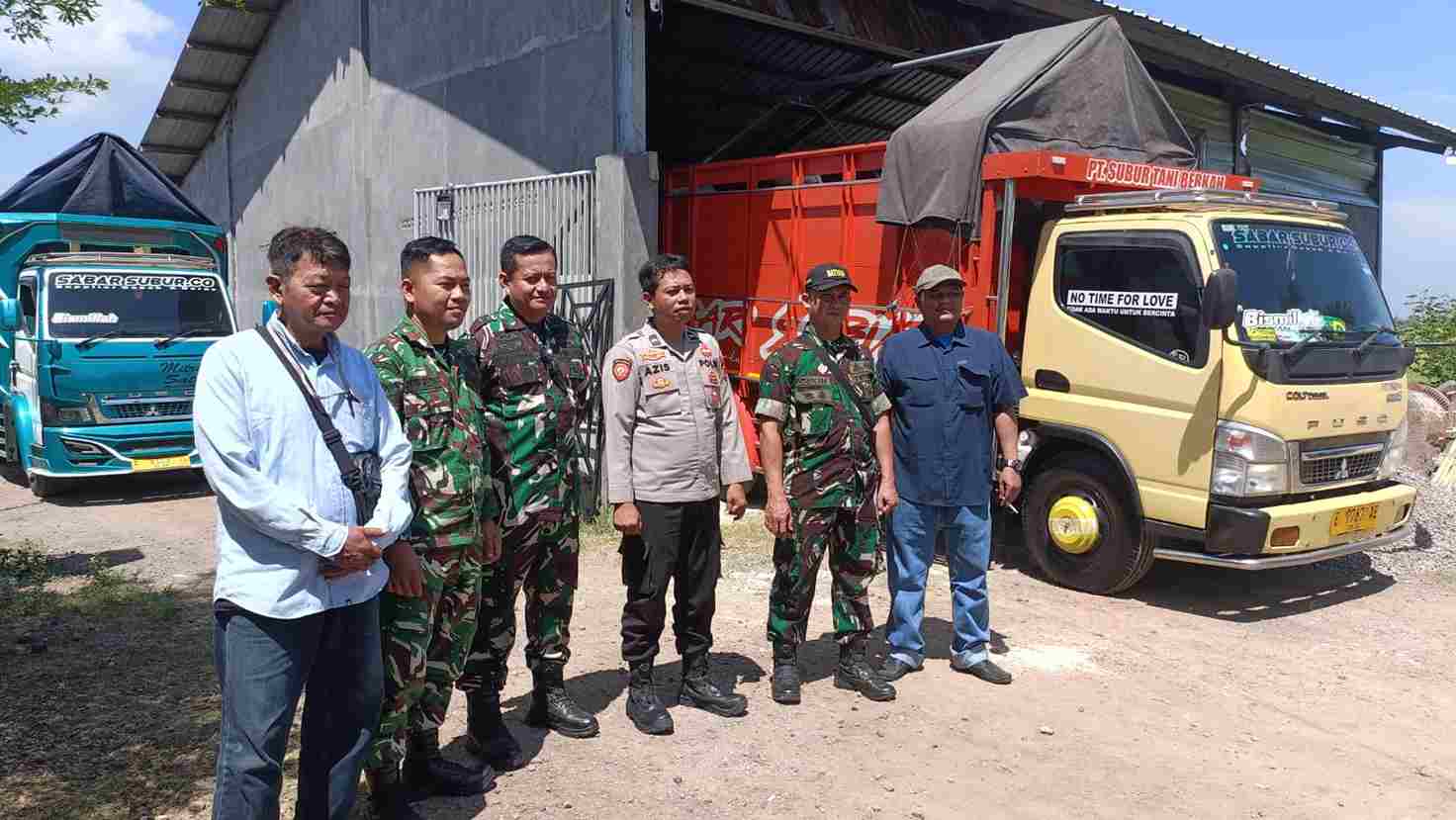
INDRAMAYU-JAYA NEWS.COM – Starting today, Tuesday, September 2, 2025, 650 tons of rice previously stored in a community-owned warehouse in Lombang Village, Indramayu Regency, will be moved to official Bulog warehouses: Pekandangan, Luwigede, Singakerta I, and Singakerta II.
This relocation was carried out because Bulog’s warehouses in the Indramayu area were at capacity. To maintain production continuity and rice quality, a borrowed warehouse in Lombang Village was temporarily used.
“The Bulog warehouse is indeed full, but production must continue to ensure the absorption of farmers’ grain continues. So we borrowed the warehouse in Lombang Village. This is purely temporary storage, not hoarding,” explained Eri Luxmantara, Head of the Bulog Pekandangan Warehouse.
Eri emphasized that this step actually supports the government’s program to absorb farmers’ unhusked rice and contribute to the success of the food self-sufficiency program initiated by Indonesian President Prabowo Subianto. He stated that if unhusked rice absorption is hampered due to limited warehouses, farmers who are currently harvesting will be disadvantaged.
“In principle, the more unhusked rice absorbed, the better for farmers’ welfare. And this is in accordance with government directives,” he said.
Regarding the alleged rice hoarding, Dedi Supriyadi, owner of PT Tunas Mulia Group, strongly denied it. He emphasized that the rice belongs to the state, acquired from Bulog (Logistics Agency), not for personal gain.
“In fact, we are helping Bulog maintain rice quality and ensure production continues to operate. If production stops due to the lack of warehouses, distribution will also be disrupted,” Dedi asserted.
Dedi explained that the cooperation system with Bulog has two mechanisms: renting warehouses owned by the community or renting them directly from Bulog. However, according to SOP, every storage must go through official procedures, starting with submitting a price request to the central government, negotiating, and then weighing and checking the rice quality.
“The goal is, of course, to maintain rice quality. All incoming rice is weighed, its condition checked, and monitored by relevant parties according to established procedures,” he explained.
Dedi added that the use of rented warehouses is only temporary. “If it’s forced into a main warehouse that’s already full, the quality of the rice could decline. There are only two harvest seasons in a year. If stocks from one season are full, absorption from the next season could be hampered,” he explained.
He emphasized that the existence of rented or borrowed warehouses is an important solution to ensure production doesn’t stop, supplies remain sufficient, and rice quality is maintained.
“Essentially, all of this is done for the benefit of farmers and to support national food security,” he concluded.
Meanwhile, Sri Wahyuni, Head of the Indramayu Bulog Branch, explained that Perum Bulog has a special program to absorb and store rice harvested by farmers, including quality rice. This program aims to maintain price stability, provide national food reserves, and distribute rice food aid to the community.
“The warehouse in question belongs to Bulog, rented by a private party to store rice milled by farmers in Juntinyuat District. Therefore, it is incorrect to call it hoarded rice,” he stressed.
Teddy
—