Books That Save Imagination
(Reflection on International Book Day, April 2, 2026)
By: Ali Aminulloh
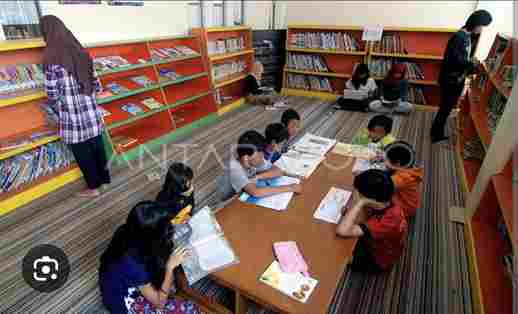
Amidst the relentless onslaught of bright screens: captivating games, fast-paced videos, and tireless notifications, books exist silently. They are silent, unglamorous, and often relegated to the corner of a shelf. Yet, in their silence, analog books hold irreplaceable power: building imagination, fostering empathy, and shaping children’s thinking slowly but deeply.
April 2nd is celebrated annually as International Children’s Book Day, a global event established in 1967 by the International Board on Books for Young People (IBBY). This date was chosen for a reason. It coincides with the birthday of Hans Christian Andersen, the legendary Danish fairy tale writer whose works, such as The Little Mermaid and The Ugly Duckling, have transcended generations and cultural boundaries. From these simple stories, children’s worlds are shaped, not only for entertainment, but also for understanding life.
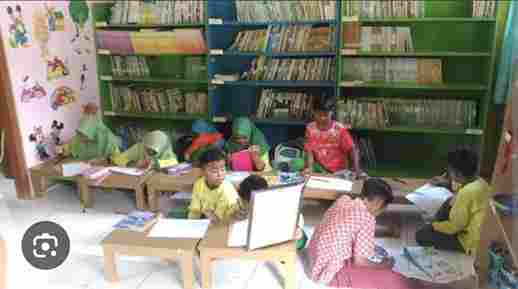
More than just a celebration, International Children’s Book Day carries an important message: reading is not an additional activity, but rather the foundation of a child’s development. From a psychological perspective, reading books from an early age has been proven to stimulate a child’s cognitive development, enrich vocabulary, and cultivate critical thinking skills. When a child immerses themselves in a story, they learn to understand the character’s point of view, feel emotions, and develop empathy—skills not always acquired through the consumption of fast-paced and instant digital content.
Books also provide a safe space for children to discover themselves. In stories, they find self-reflection: about courage, fear, failure, and hope. This is where the role of books goes beyond academics. They become a tool for character building. Children who are familiar with books tend to have better focus, more mature language skills, and more stable emotional control.
This commemoration is usually celebrated with various literacy activities: from reading stories at home and school to literacy festivals involving writing, drawing, and storytelling competitions. Even in the digital age, literacy campaigns have now expanded to online platforms, providing wider access to reading material for children. However, one thing that should never be lost is the direct contact between a child and a physical book: turning the pages, smelling the paper, and immersing themselves in the story without the distraction of notifications.
While the theme for International Children’s Book Day 2026 has not been specifically announced, the spirit remains the same: rekindling children’s love of reading amidst the inevitable tide of digitalization. This is not simply nostalgia for printed books, but rather an effort to preserve the quality of reading for future generations.
Because ultimately, in an increasingly noisy world, children still need space to think. And books, in all their simplicity, are the best place for that.**
Indonesia, April 2, 2026
——-