By: Wari Wicatman
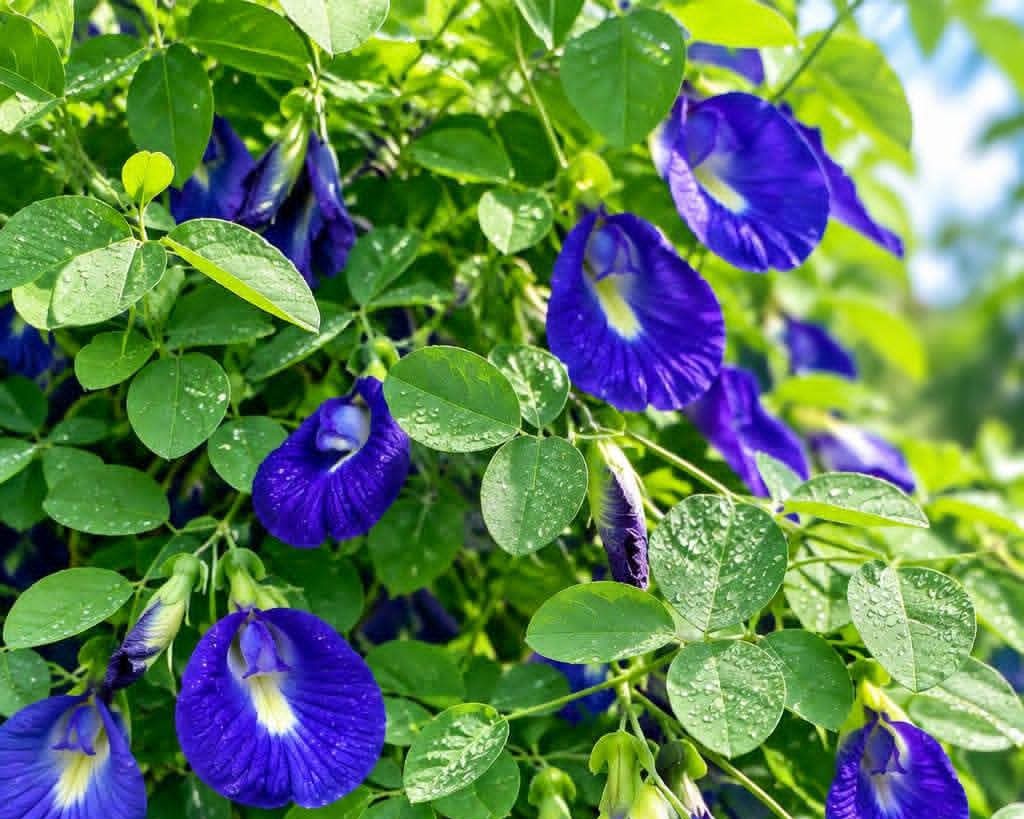
Amidst the scorching heat of Indramayu and rising medication costs, we often overlook the fact that one of the best guardians of our health grows right on the fences of our own home gardens. It is known as “Bunga Telang” (Butterfly Pea Flower) or *Clitoria ternatea*—a blue-purple blossom often dismissed as merely an ornamental plant, yet one that thrives across the Indramayu region.
In reality, across Southeast Asia, this flower is known as “blue tea” and has been used for centuries in traditional medicine. Fortunately, the butterfly pea flower is perfectly suited to Indramayu’s hot, coastal climate.
Why is the Butterfly Pea Flower Important for Indramayu Residents?
1. A Free-Radical Fighter for Outdoor Workers.
The majority of Indramayu residents work outdoors—as farmers, fishermen, or market traders—facing high levels of sun exposure and pollution. Butterfly pea flowers are rich in anthocyanins, powerful antioxidants responsible for their natural blue hue. These compounds help the body combat free radicals and protect the health of skin and eyes frequently exposed to dust and intense heat.
2. A Healthy Beverage Alternative to Excessively Sweet Tea.
The habit of drinking strong, highly sweetened tea is a leading cause of diabetes in our area. Butterfly pea tea offers a solution. It has a fresh, neutral taste and is caffeine-free. Simply steep 5–7 dried flowers in hot water to produce a beautiful blue color. Add a squeeze of lime juice, and the color shifts to purple while boosting the Vitamin C content. It tastes delicious even without sugar.
Benefits often experienced by residents:
– Helps calm the mind and reduce stress or insomnia
– Helps maintain stable blood sugar levels
– Helps manage blood pressure and cholesterol
– Beneficial for eye health and memory
3. New Economic Potential for the Women of Bojongsari.
This is the most exciting part. On online marketplaces, dried butterfly pea flowers sell for between Rp 50,000 and Rp 150,000 per 50 grams. Yet, the plant is incredibly easy to grow.
In Bojongsari, women running traditional cake businesses can innovate:
Natural coloring: Replace synthetic blue or purple dyes in *kue lapis* (layered cake), *klepon*, *dawet*, and *nasi uduk* with butterfly pea flower extract. It is healthier and commands a higher selling price.
Butterfly pea tea bags: Dry the flowers, pack them in resealable plastic bags, and sell them as herbal tea. The initial investment is virtually zero.
Trendy beverages: Iced Butterfly Pea Lemon Tea—a huge hit in big-city cafes—can be sold for Rp 5,000 per glass in the Indramayu area.
The Easiest Way to Grow It in Indramayu:
1. Collect mature butterfly pea seeds (look for dry, brown pods).
2. Sow them near a fence or a post. No special care is needed; simply water them every two days.
3. Within two months, the plant will spread and bloom daily.
4. Pick the flowers between 6:00 and 8:00 AM when they are in full bloom, wash them, sun-dry them for two days, and store them in a jar.
Imagine if every household in Blok Ketapang, Bojong, and Bungkul planted two butterfly pea vines along their fences. We would have a “living pharmacy,” a source of healthy food coloring, and new MSME products—all without significant capital.
The Bojongsari Urban Village administration could promote a “Butterfly Pea Planting Movement” as part of its Healthy Village and economic empowerment programs. No vast tracts of land are required; simply utilizing fences and vacant spaces around the home is enough.
Good health doesn’t have to be expensive. Sometimes, it simply requires brewing the blue flowers found in our own yards—a natural solution for maintaining our well-being.
The author is a resident of Bojongsari Urban Village with a keen interest in environmental health and regularly drinks butterfly pea flower tea to maintain their own health.
This article is for general educational purposes and is not a substitute for professional medical advice. Consult a healthcare professional if you have any specific medical conditions.
Indramayu, September 20, 2026.
—–