H. DEDI WAHIDI AND THE 2026 INDRAMAYU BPS SEMINAR: THE URGENCY OF PULLING THE DEMOCRACY BUGGY
By: Adlan Daie
Political Analyst, Secretary General of the Indonesian Ulema Council (MUI) of Indramayu Regency.
Indramayu, August 2, 2026
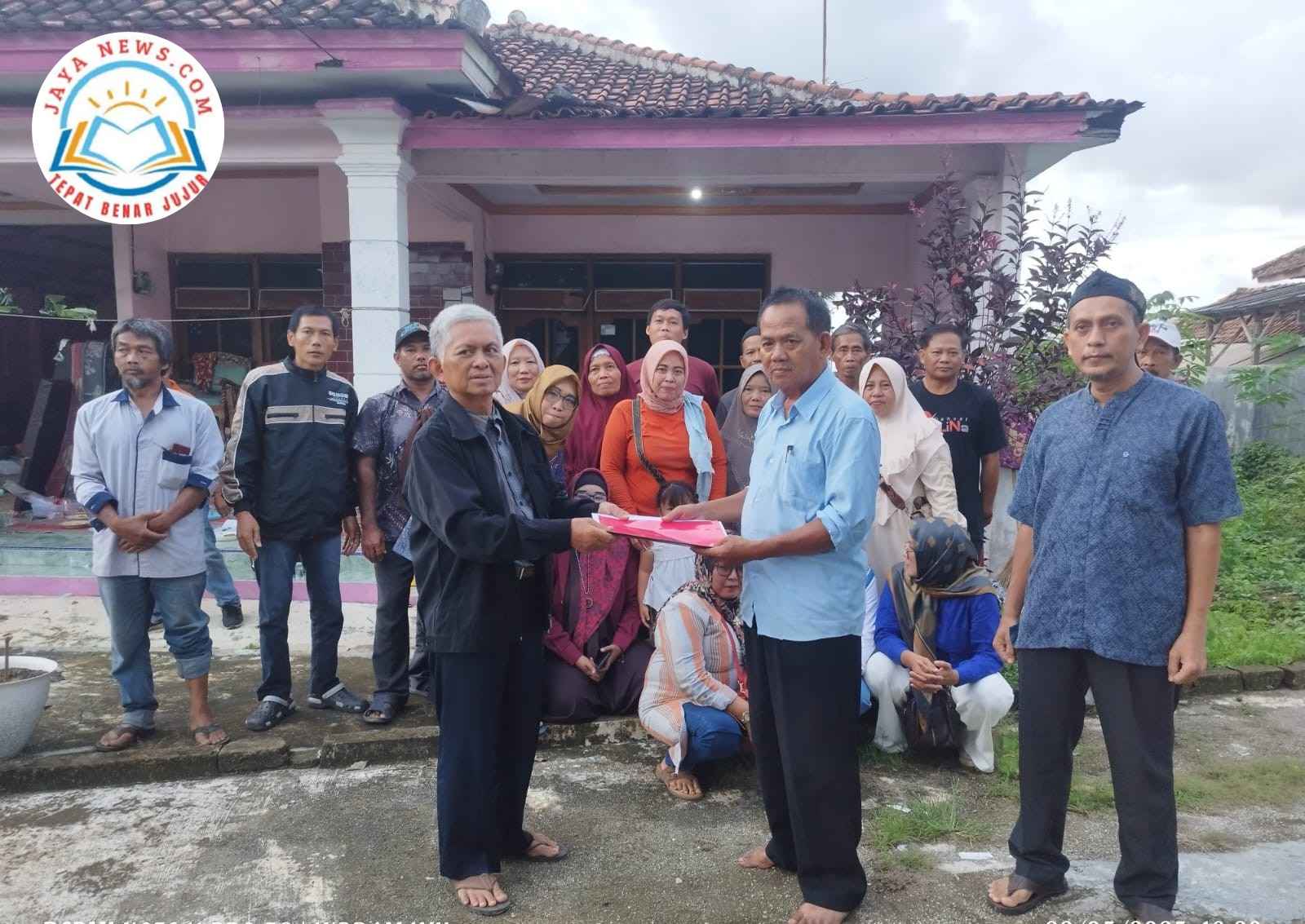
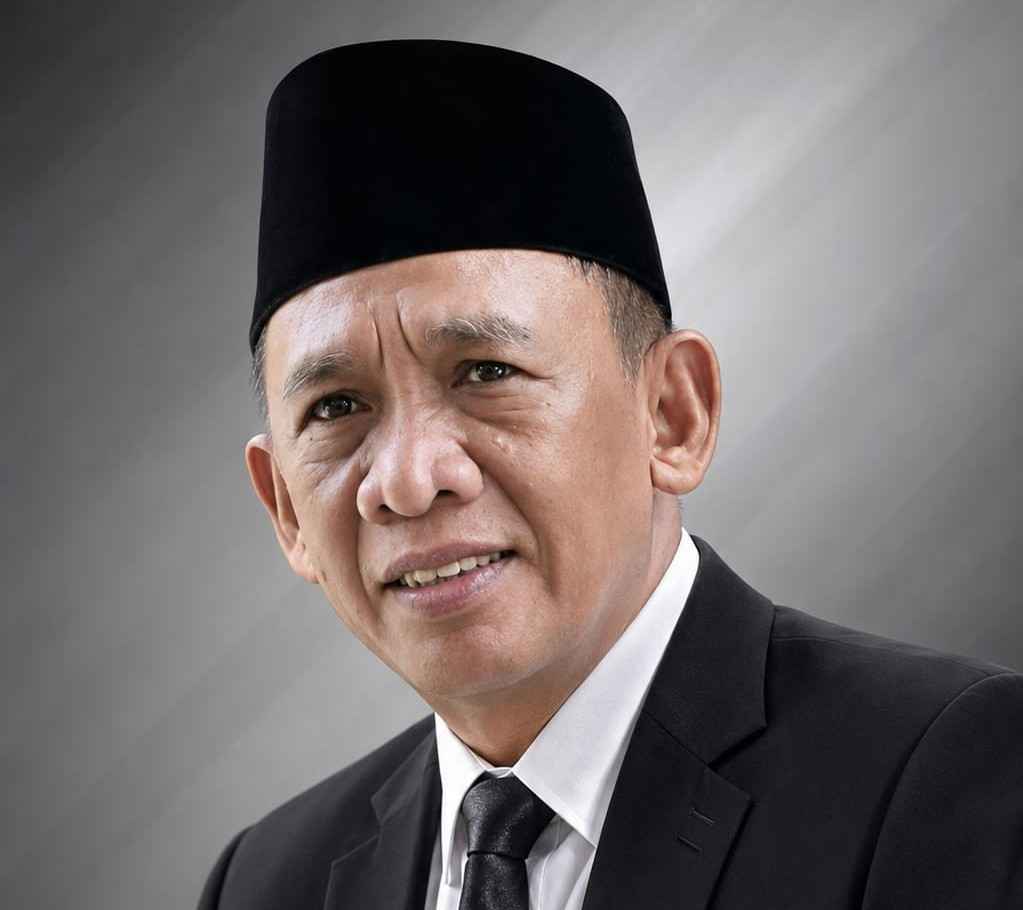
There are two political articulations in the process of democratic maturation initiated by H. Dedi Wahidi, a member of Commission X of the PKB Faction of the Indonesian House of Representatives (DPR RI), regarding the “BPS Seminar” (Central Statistics Agency) at the Swiss Bell Hotel, Indramayu, on July 30, 2026, in collaboration with BPS Indramayu, a partner of Commission X of the DPR RI.
The context of the “BPS Seminar” became even more “inclusive” when it “intentionally” involved participants from the Nahdlatul Ulama (NU) social elements (Ansor, Muslimat, Fatayat, PMII, IPNU, IPPNU, Islamic Boarding Schools, etc.), the largest group in the democratic electoral base but vulnerable to political image manipulation.
First, on the one hand, this is the accessibility or access to a new space of awareness that H. Dedi Wahidi brought to the NU social ecosystem. In Prof. Mariam Budiardjo’s political theory, he, as NU’s representative in the Indonesian House of Representatives, carries out the articulation and aggregation functions in political representation relations.
Second, on the other hand, in the cultural transformation theory of the late Prof. Umar Kayam, this is not simply an effort to involve NU in political participation but to bring NU from the “fringes” to the “center” in state policy relations, entering a new space of conversation about socio-economic problems in statistical figures.
It is within these two aspects of this new space of awareness that democracy can be prevented from becoming merely a “political ritual” but rather a roadmap for civilization. Democracy is not maintained as a “crowd,” but rather as a courageous value to be fought for.
Democracy without literacy and critical comparison of “credible” statistical figures can easily turn into an “electoral marketplace,” easily manipulated by false advertising. Ideas are easily “thwarted” by “one-second videos” like “TikTok.”
That is the urgency of the “BPS Seminar” initiated by H. Dedi Wahidi, mentioned above, in the context of the process of democratic maturation. This new awareness is crucial, among other things, to equip Indramayu Regency with literacy skills in reading the somewhat “strange” demographic map.
On the one hand, Indramayu is the richest regency in Ciayumajakuning, and even the seventh-richest in West Java, with a Gross Regional Domestic Product (GRDP) of 54 million per capita per year (BPS data – “RRI.co.id, June 18, 2025).
Ironically, on the other hand, the poverty rate in Indramayu, according to BPS data – March 2025, is the highest, or the poorest, in West Java, at 11.93%. Indramayu also has the lowest average education level.
Statistical literacy will guide NU in more deeply understanding the consumption and voting behavior of NU members at the grassroots level in a measurable and precise manner, based on standard census and survey principles in an accountable manner. This is a prerequisite for developing democratic maturity.
In other words, without a strong social ecosystem to support democratic maturity, it will almost certainly… NU members will forever be mere “objects” crushed by the manipulation of political imagery, which only produces leaders who are “ngedabrus” (stupid), below the standard of leadership qualifications.
In short, the point to be emphasized in this article is that H. Dedi Wahidi has pioneered a path to open a new awareness of the urgency of democratic maturity through the “BPS Seminar,” a statistical literacy program to understand the social and economic landscape.
Naturally, the next structural task of NU, along with its organs and apparatus, is to carry out organic activities in a structured, systematic, and massive manner to build this new awareness.
Without this, NU will only thrive on claims of political narratives from a socio-demographic perspective, but will be vulnerable to the manipulation of political imagery—for how long?
Regards.
——-