When Tofu Told the World About Simplicity
By: Ali Aminulloh
Bandung, July 26, 2026
When visiting Sumedang, what comes to mind isn’t just the roads winding through the hills or the cool air that greets you. There’s one food that seems to be synonymous with the region’s name: tofu. Small, brownish squares, with crispy skin and soft, hollow flesh, served warm in bamboo bongsangs with cayenne pepper.
The same is true when entering the Cibuntu area of Bandung. The aroma of boiled soybeans and the steam rising from the production houses signal that here, tofu is more than just food. It’s a job, a source of income, a tradition, and a life that continues to move from early morning.
In the hands of the local community, the humble soybean transforms into a food known almost worldwide. Tofu can be fried, boiled, steamed, stir-fried, steamed in banana leaves, added to soups, and even transformed into modern dishes. It readily accepts various spices, yet retains its simple nature.
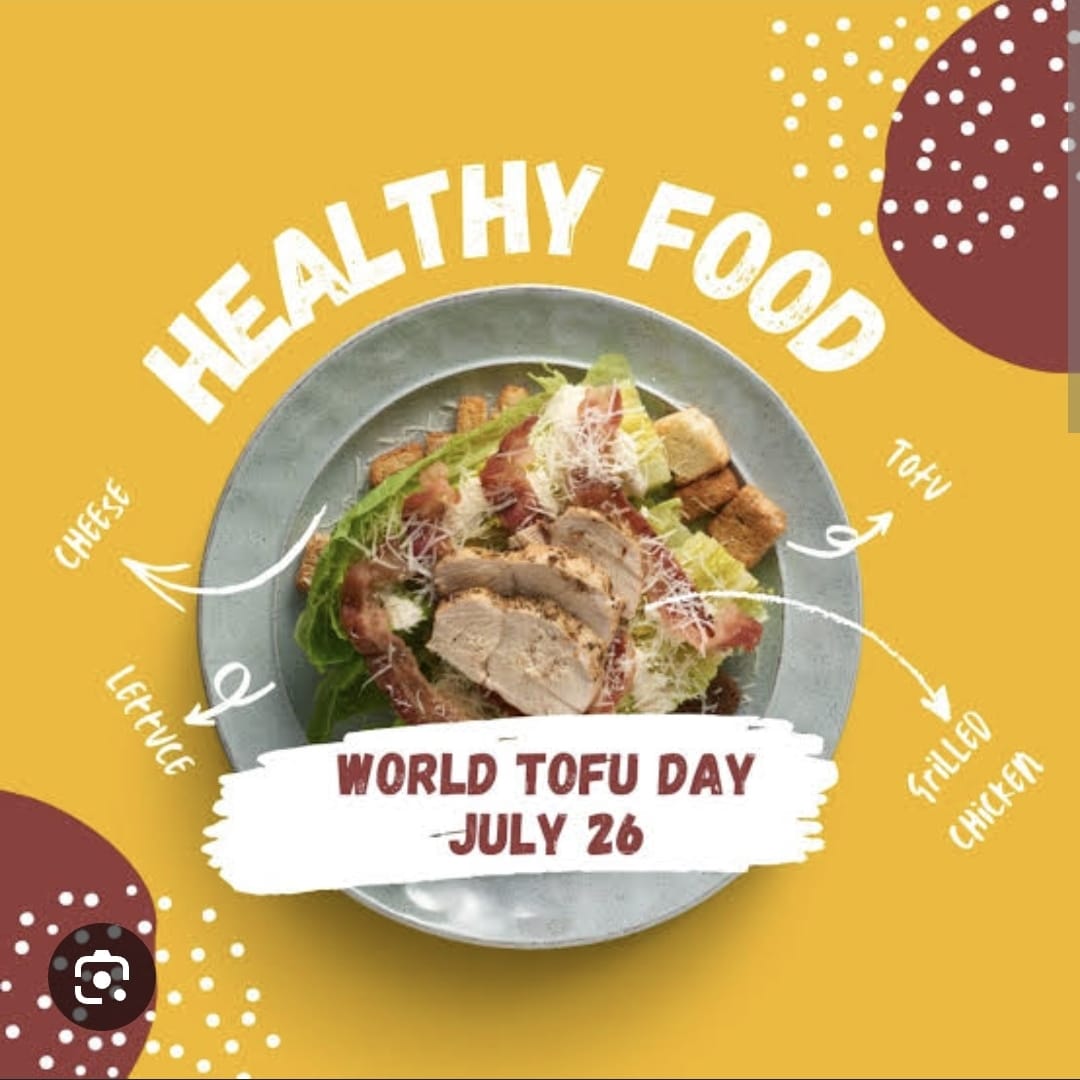
Every July 26th, people around the world celebrate World Tofu Day. This commemoration serves as a moment to recognize tofu not just as a cheap side dish, but as an important part of the history of food, health, the economy, and environmental sustainability.
From Asia to the World
Tofu has a long history. This food has its roots in Chinese culinary traditions, then spread to various Asian regions such as Japan, Korea, and Southeast Asia. Over time, each community has adapted it to suit its own tastes, culture, and customs.
In Indonesia, tofu has found a widespread presence. Nearly every region has its own tofu-based dishes. There’s Sumedang tofu, Cirebon gejrot tofu, kupat tahu, tahu campur (mixed tofu), tahu tek (fried tofu with spices), tahu isi (stuffed tofu), batagor (fried tofu with petis), and even the familiar tofu stew (stemmed tofu).
Tofu transcends geographical and social boundaries. It can be found at roadside stalls, traditional markets, family dining tables, restaurants, and even five-star hotels. This food can be enjoyed by anyone, regardless of economic status.
That’s the power of tofu. It doesn’t try to be luxurious, but it’s always needed. It’s undemanding, yet easy to combine with almost any dish.
Why Is Tofu So Important?
Tofu is a plant-based protein source that has long been consumed by people. In addition to protein, tofu also contains unsaturated fats, minerals, and various nutrients derived from soybeans.
For many families, tofu is a relatively easy food choice to obtain and prepare. When the price of meat or other foodstuffs rises, tofu remains a staple as an alternative to meet daily side dish needs.
However, the importance of tofu lies beyond its nutritional content. Behind every piece of tofu lies a long economic chain. There are soybean farmers, raw material traders, milling workers, tofu makers, transport drivers, market vendors, fried food sellers, food stall owners, and culinary entrepreneurs.
Therefore, tofu is more than just food. It is a source of life for many families.
In Sumedang, tofu has become a regional identity. People can think of Sumedang simply by imagining warm, crispy tofu. Meanwhile, Cibuntu is known as one of Bandung’s tofu production areas, whose industrial activities have supported the community for generations.
It’s from places like these that we understand that traditional foods can be an economic force. A seemingly simple product can create jobs, build trade networks, and strengthen regional pride.
Born from Concern
World Tofu Day was first celebrated in 2014. It was initiated by a Canadian animal welfare organization that wanted to promote tofu as a nutritious, versatile, and plant-based food alternative to meet food needs.
The first celebration took place in Montreal, Canada. The event featured a plant-based culinary event and attracted thousands of visitors.
The idea then spread to various countries through vegetarian communities, food businesses, restaurants, environmental organizations, and individuals interested in plant-based eating habits.
The trigger for this celebration was the growing concern about food issues, animal welfare, health, and the environmental impact of human consumption. Tofu was chosen because it represents a simple, flexible food option that can be developed into various culinary traditions.
World Tofu Day is not an international day established by a United Nations resolution. It grew out of a civil society movement. But that’s precisely where its power stems from. This warning moves from the kitchen, community, home
markets, and production centers.
It was born not from the grandeur of a courtroom, but from the realization that daily food choices can impact broader life.
Food, the Environment, and the Future
Amidst the challenges of climate change, population growth, and global food demand, tofu is gaining increasing importance. Plant-based protein sources generally require different resources than animal-based food production.
Eating tofu doesn’t mean everyone has to give up all the foods they’ve been consuming. The message is simpler: people can expand their food choices, balance their consumption, and start considering the impact of what they eat.
Substituting a side dish with tofu, tempeh, or beans once or twice may seem like a small step. However, big changes often start with simple habits that are consistently practiced.
Tofu teaches us that a sustainable lifestyle doesn’t always have to start with something expensive. It can start at the traditional market, the family kitchen, the lunch plate, or even the decision to buy products from local artisans.
Celebrating Tofu, Valuing Life
World Tofu Day can be celebrated in various ways. Communities can hold culinary festivals, MSME bazaars, cooking competitions, tofu processing workshops, visits to production centers, or even a communal meal featuring tofu-based dishes.
Schools can introduce students to the process of transforming soybeans into tofu. Universities can study the nutritional value, economics, production technology, and sustainability of the tofu industry. Local governments can support artisans through training, marketing, improving sanitation, and using cleaner production technologies.
Restaurants and food stalls can create new menus. Families can commemorate the occasion by cooking together. Communities can also provide tangible support by purchasing tofu from local artisans.
The best celebrations involve more than posting pictures of food on social media. This commemoration should be an opportunity to appreciate the hard work of the people behind it.
There are hands soaking soybeans while others are still asleep. There are workers standing near hot stoves. There are vendors bringing tofu to market before sunrise. There are families whose livelihoods depend on each batch of tofu sold.
When we enjoy a piece of tofu, we are truly enjoying the fruits of a long journey of human labor.
Simplicity That Gives Life
Tofu never demands a big stage. It is a quiet presence on the dining table, but its contribution is not insignificant. It provides food, drives the people’s economy, preserves traditions, and opens up the possibility of more diverse consumption patterns.
From Sumedang, Cibuntu, and to various cities around the world, tofu demonstrates that simplicity is not a weakness. In fact, from something simple, humans can build life, creativity, and togetherness.
Tofu also teaches the value of respect. Respecting food means not throwing it away. Respecting artisans means appreciating their products. Respecting nature means using resources consciously.
Ultimately, tofu may never speak. However, its presence has taught the world many things.
It shows that people’s food can have global value. It shows that small businesses can support family economies. It shows that health and sustainability can begin with the choices closest to everyday life.
And from a warm piece of tofu, we learn that something doesn’t have to be expensive to be valuable, it doesn’t have to be luxurious to be a living, and it doesn’t have to be big to be beneficial to the world.*
——