Al-Zaytun New Student Admissions: When Alumni Become the Guardians of the Relay of Civilization
By: Ali Aminulloh
A Field of Inspiration from Sustainable Cadre Development
One measure of an educational institution’s success lies not only in the number of students it graduates, but also in its ability to produce cadres who will return to serve and continue the institution’s legacy. This is where the true meaning of educational sustainability is found: education that can reproduce values, enthusiasm, and leadership from generation to generation.
At the Al-Zaytun New Student Admissions (PPDB) held from June 23–27, 2026, this spirit of sustainability was evident. Amidst hundreds of prospective students and parents who came from various regions, a fascinating and inspiring sight emerged: the dominant role of alumni in almost every aspect of the institution’s activities.
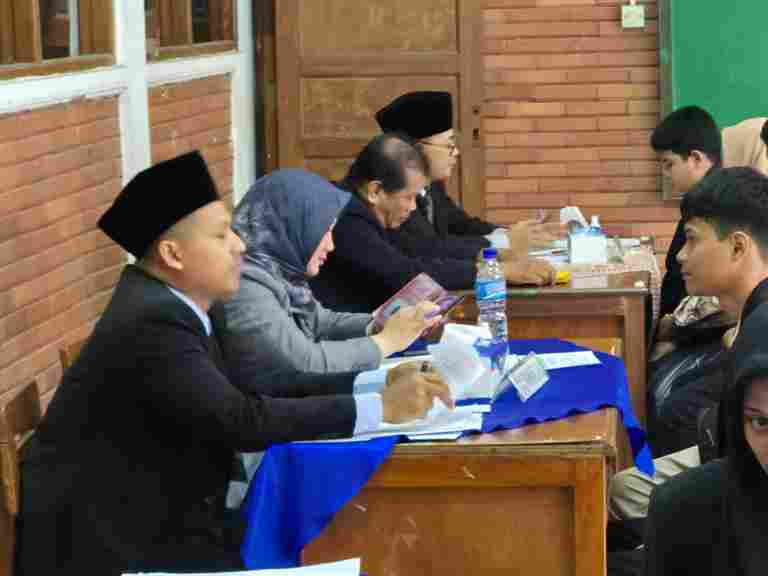
Since its inception, Al-Zaytun has maintained an important tradition in the new student admissions process: the interview. This stage is not merely an administrative formality, but rather a space for dialogue to get to know prospective students and their families in more depth. Interestingly, this year’s implementation featured a prominent role in the process.
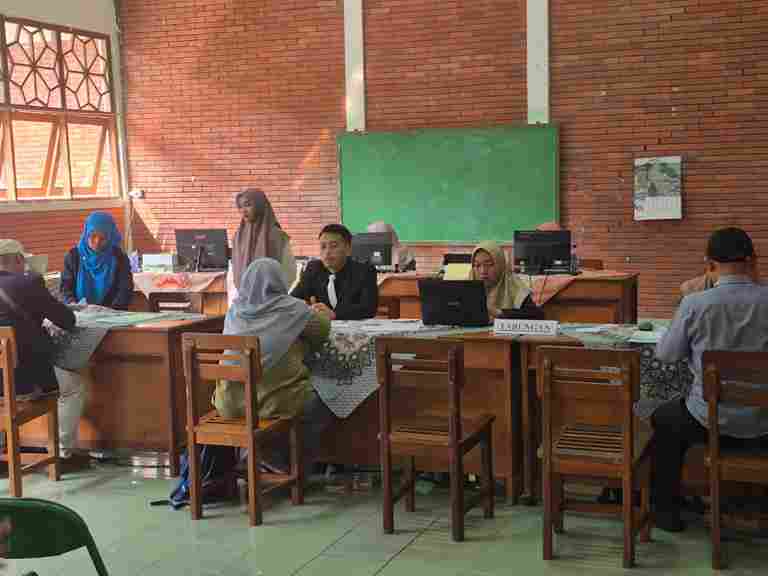
Of the 22 interview tables set up, 17 involved alumni as interviewers. In fact, at five of the interview tables, the position of chief examiner was entrusted to an alumni. Furthermore, alumni also dominate the core committee and almost all of the technical committees assigned to them in the field.
This phenomenon demonstrates that cadre development at Al-Zaytun is occurring naturally and sustainably. Alumni are not merely graduates who bring honor to their alma mater, but also return as part of the system that nurtured them. Their presence is a strong testament to their strong sense of belonging to the educational institution where they were trained.
There are many advantages to having alumni directly involved in the new student admission process. They already understand Al-Zaytun’s culture, values, traditions, and the struggles they face. Having lived the life of a student, the process of adapting to committee duties and strategic responsibilities is quicker and more effective.
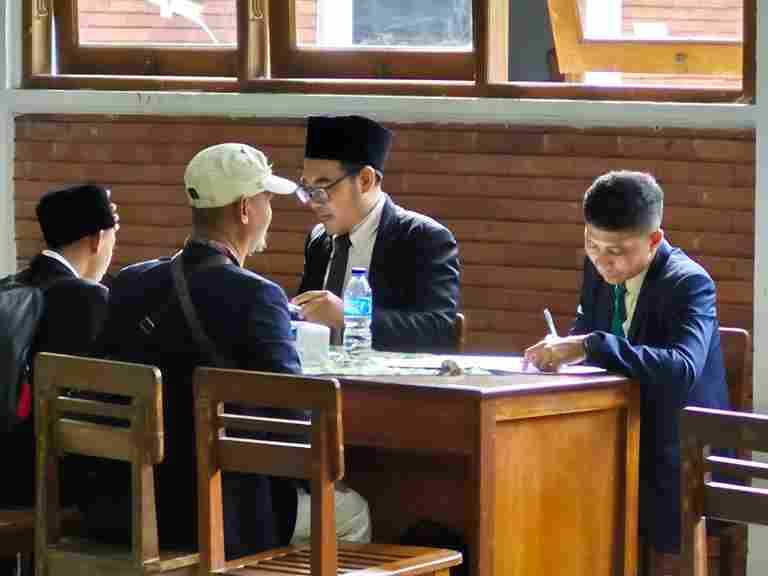
Moreover, alumni possess the ability to authentically explain Islamic boarding school life. During interviews, they convey information not only based on theory or institutional explanations, but also on their own lived experiences as students. As a result, communication with prospective students and parents becomes more lively, honest, and easily accepted.
They speak deeply about discipline, learning, boarding life, and the national and humanitarian values taught at Al-Zaytun. Their personal experiences make their messages more relevant, down-to-earth, and touching.
This is where the true power of a sustainable educational institution lies. When alumni are not only witnesses to history but also key actors in continuing it. They serve as a bridge between the generation they have nurtured and the generation they will nurture.
Al-Zaytun’s 2026 New Student Admissions are not merely a process of accepting new students. More than that, it serves as a platform to demonstrate how an educational institution prepares for regeneration, builds loyalty, and fosters a love for its alma mater. A valuable lesson is that successful education is education that is able to produce future cadres who can proudly say, “We were educated here, and now we return to continue our service.”
Indramayu, June 24, 2026
——