Taking Care of Yourself, Taking Care of Life: A July 24th Message to Raise Awareness
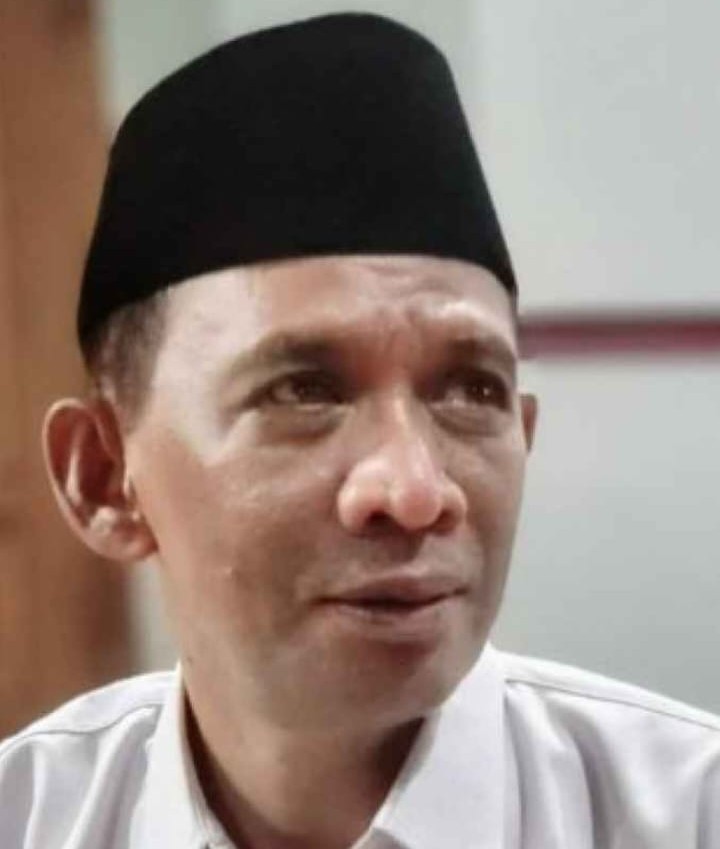
By: Ali Aminulloh
Indramayu, July 24, 2026
Some people are so busy taking care of their work, organizations, families, and surroundings that they forget to listen to their own bodies. They keep going when their bodies ask for rest, keep smiling when their hearts are tired, and only realize the importance of health after illness knocks on their door.
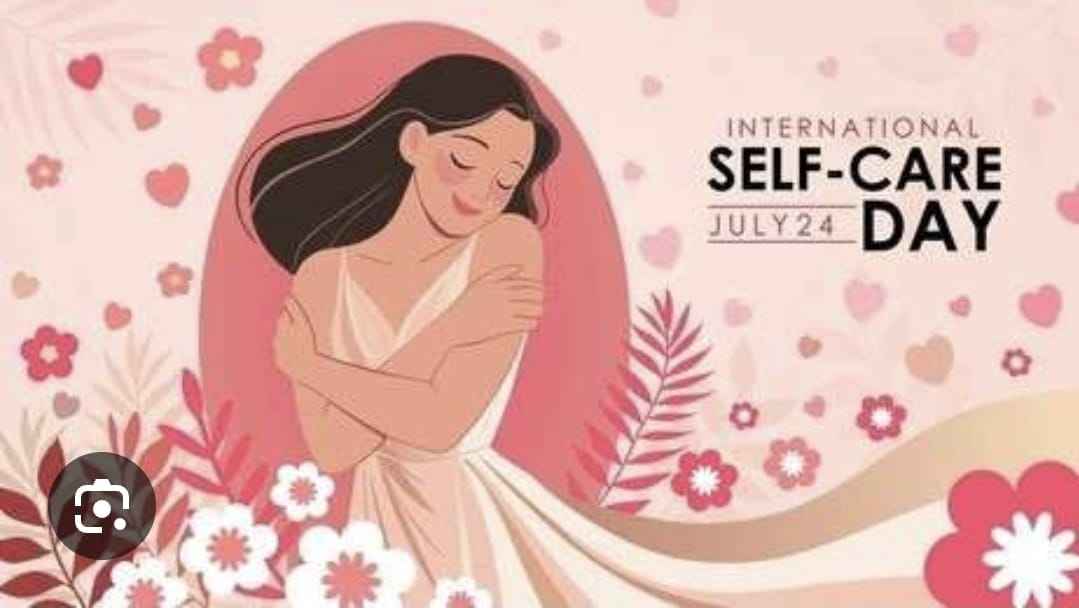
July 24th, celebrated as International Self-Care Day, reminds people that taking care of oneself is not selfish. It is a form of responsibility for the life that God has entrusted to each human being.
July 24th was chosen for its powerful symbolic meaning. The numbers 24 and 7 represent 24 hours a day and seven days a week. This means that self-care is not confined to one day of commemoration; it must be a conscious effort that is lived out every moment.
In 2026, the self-care campaign carried the theme “Self-Care Puts Your Health in Your Hands: Test, Track, Thrive.” The theme encourages people to take their health into their own hands through three important steps: checking, monitoring, and living a healthier life.
Checking means daring to know one’s condition. Monitoring means recognizing changes in the body and mind. Meanwhile, living a healthy life means developing habits that enable people to grow physically, mentally, spiritually, and socially.
Self-care isn’t just about resting, taking vacations, or pampering the body. It includes healthy eating habits, adequate sleep, maintaining good hygiene, engaging in physical activity, managing stress, getting medical check-ups, using medication wisely, and knowing when to seek medical help.
In modern life, people often have many tools to measure success, but they don’t always have the time to assess their own health. Workloads can be counted, income can be recorded, achievements can be displayed, but inner exhaustion is often left unattended.
Therefore, International Self-Care Day is more than just a health awareness day. It’s an invitation to rediscover ourselves, maintain balance, and understand that body, mind, and soul have rights that must be fulfilled.
This message aligns with Allah’s word in Surah At-Tahrim, verse 6:
“Qu anfusakum wa ahlikum nara.”
This means, “Protect yourselves and your families from the fires of hell.”
This verse contains a profound message of responsibility. Humans are commanded to begin protecting themselves, then their families. This protection is primarily related to faith, morals, and obedience. However, in a broader sense, protecting oneself also includes safeguarding the body, mind, behavior, and safety so that humans can carry out their devotion to Allah properly.
A person cannot optimally protect their family if they allow themselves to be damaged. Healthy parents can educate their children better. Healthy teachers can guide their students with patience. Leaders who are physically and mentally healthy can make clearer decisions. Healthy members of society can contribute to their social environment.
The Quran also reminds us in Surah Al-Maidah, verse 105:
“O you who believe, guard yourselves. Those who go astray will not harm you if you are guided.”
The phrase “alaikum anfusakum” emphasizes the importance of self-care. However, self-care does not mean neglecting society. The verse teaches that true change must begin with personal awareness. Before improving others, humans need to examine themselves. Before demanding that others live healthily, one needs to develop healthy habits in one’s own life.
Awareness of self-care is closely related to the Trilogy of Awareness initiated by Shaykh Al-Zaytun, Abdussalam Rasyidi Panji Gumilang: philosophical awareness, ecological awareness, and social awareness.
Philosophical awareness invites humans to understand the essence of their existence. The body is not simply a collection of organs, but rather a means of carrying out life’s mandate. The mind is not merely a tool for profit, but rather a force for discovering truth and wisdom. The soul is not merely a chamber of emotions, but rather a center of consciousness that must be nurtured so that humans maintain direction and purpose.
In philosophical awareness, self-care means understanding why humans must be healthy. Health is not an end in itself, but rather a resource for working, worshipping, learning, serving, and bringing benefits to life.
Ecological awareness teaches that health
human health is inseparable from environmental health. Dirty air will enter the lungs. Polluted water will harm the body’s health. Food filled with hazardous substances will cause disease. A damaged environment will ultimately bring suffering to humans.
Therefore, self-care must be accompanied by caring for nature. Maintaining cleanliness, reducing waste, planting trees, choosing healthy foods, using water wisely, and maintaining environmental quality are all part of self-care. The human body does not live alone. It depends on soil, water, air, plants, animals, and the entire ecosystem that supports life.
Social awareness emphasizes that one person’s health is related to the health of others. Infectious diseases, mental health problems, poor nutrition, smoking habits, and unhealthy environments are not just personal matters. They can affect families and communities.
Self-care from a social perspective means avoiding actions that harm others. One maintains cleanliness not only for one’s own health but also to maintain a comfortable environment. One maintains mental health not only for one’s own peace of mind but also to prevent harming others through one’s words and actions.
Social awareness also means not leaving others to face illness alone. Society needs to build a culture of mutual reminders, caring for one another, and strengthening one another. People experiencing psychological distress should not be shunned. It’s not enough to simply give advice to sick people; they need companionship and assistance in obtaining appropriate healthcare.
International Self-Care Day ultimately invites society to engage in simple reflection. Have we gotten enough sleep? Has the food we consume given us strength, not exacerbated illness? Have we made time for movement and exercise? Have we given our minds a chance to rest? Have we maintained healthy relationships with family and community?
Self-care can start with small things. Drinking enough water, walking, reducing sugar intake, maintaining good hygiene, taking breaks, limiting gadget use, getting medical check-ups, praying, reading, and talking to trusted people when facing stress.
However, self-care does not justify self-medicating. Health awareness also means knowing one’s limits. When the body shows worrying symptoms, consulting a healthcare professional is a form of responsibility, not a sign of weakness.
Ultimately, humans are not only asked to live, but also to maintain life. We are not only commanded to work, but also to take care of the bodies we use for work. He is not only required to help others, but also needs to ensure he has the strength to provide that assistance.
The message of July 24th is simple, yet fundamental: take care of yourself so you can care for your family. Take care of your body so you can fulfill your mandate. Clear your mind so you can make the right decisions. Make your environment healthy so life can continue. Strengthen your social relationships so no one walks alone.
Self-care isn’t about stopping thinking about others. It’s about preparing yourself to give your best to others.
Because, from a healthy self, a strong family is born. From a strong family, an empowered society grows. From an empowered society, a healthy, conscious, and dignified civilization is built.**
—–