Al-Zaytun International Seminar: Three World-renowned Professors Converse on Theology, Popular Culture, and the Future of Civilization
By: Ali Aminulloh
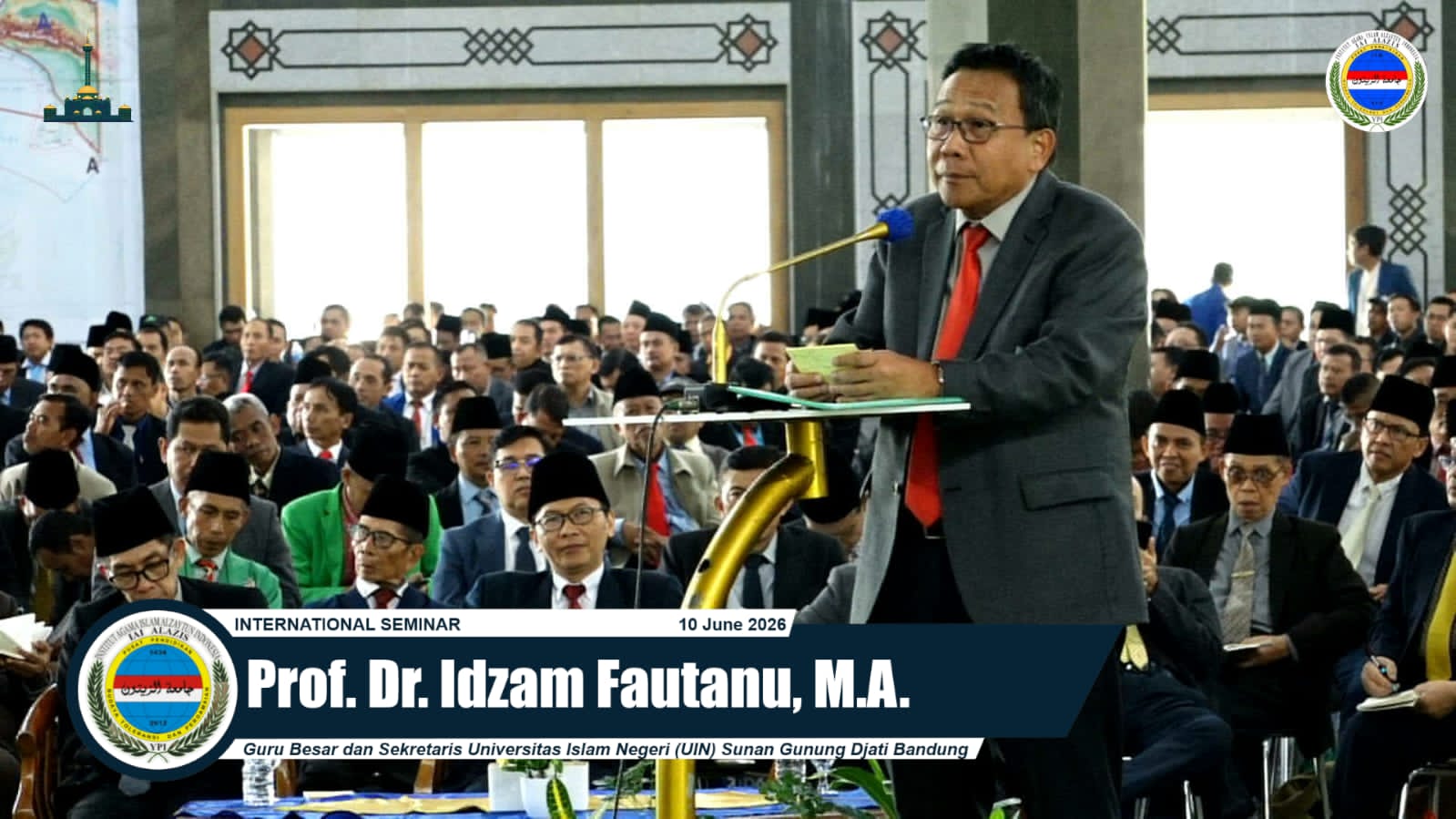
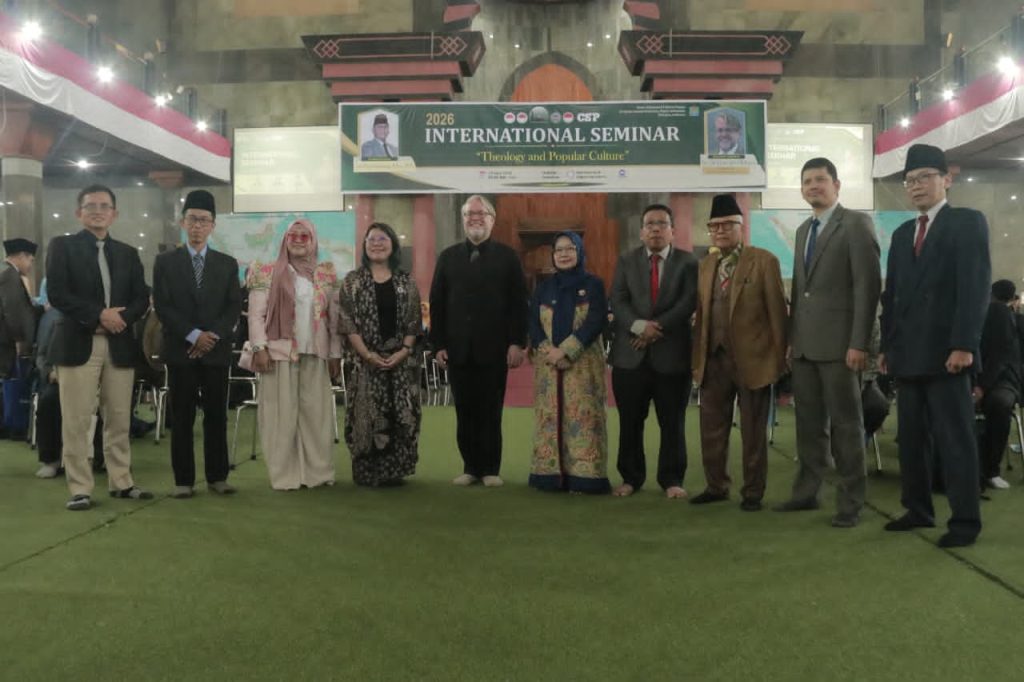
INDRAMAYU-JAYANEWS.COM – Ma’had Al-Zaytun and IAI Al-Azis once again demonstrated their role as internationally recognized spaces for academic dialogue by holding an International Seminar on June 10, 2026. This event featured three prominent academics: Prof. Dr. Hj. Aan Hasanah, M.Ed., Prof. Dr. H. Idzam Fautanu, MA. from UIN Bandung, and Prof. Dr. Joshua David Holman, Ph.D. from Concordia University, USA, and Dr. Irvan Iswandi, S.E.,MT, Vice Rector for Administration Affairs IAI Al Azis. The seminar, which addressed the overarching theme of the relationship between religion and contemporary culture, served as a platform for a confluence of ideas across nations, disciplines, and intellectual traditions.
In front of the academic community of the Al-Zaytun Islamic Institute of Indonesia (IAI AL-AZIS), students, lecturers, and invited guests, Prof. Idzam Fautanu delivered a profound reflection on theology, popular culture, and the future of Islamic education. However, before delving into his main thoughts, he first expressed his appreciation for Sheikh Al-Zaytun, Abdussalam R. Panji Gumilang, who recently earned his doctorate in law. He believed this achievement was an important example for students, demonstrating that learning knows no age.
“If Sheikh is still enthusiastic about seeking knowledge at such an advanced age, then the students should certainly be even more enthusiastic,” he said, to applause from the audience.
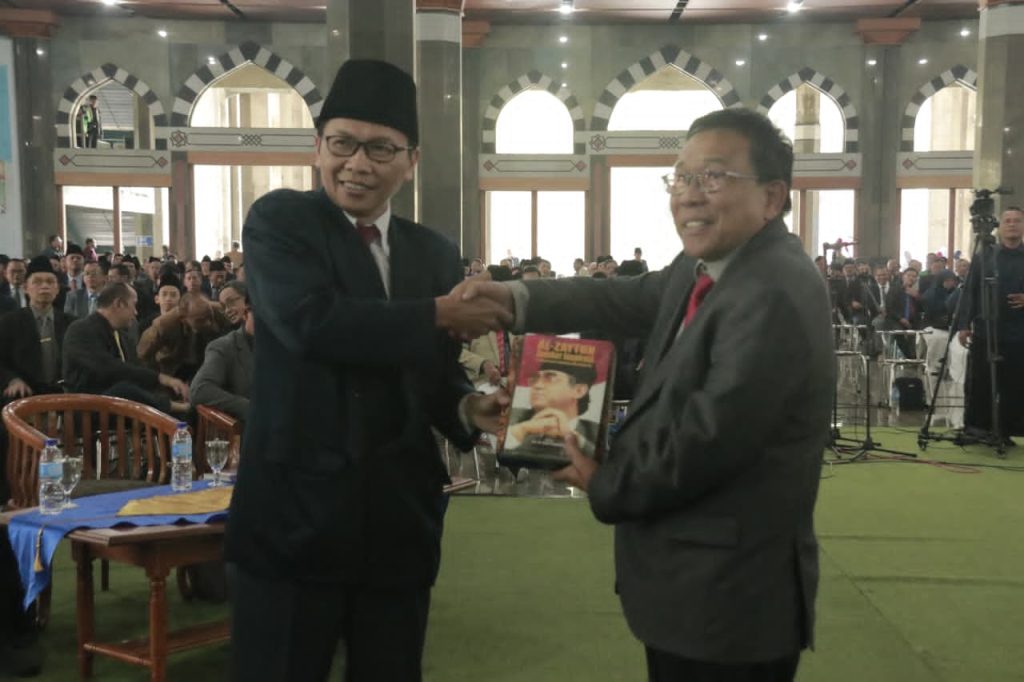
Witnessing the Al-Zaytun Educational Ecosystem Firsthand
Prof. Idzam’s visit to Al-Zaytun went beyond the seminar room. The day before, he had the opportunity to personally inspect various educational facilities, agricultural areas, and the expansive Islamic boarding school environment. This experience left him deeply impressed with how Al-Zaytun develops a holistic education system.
One of the things that particularly caught his attention was the Islamic boarding school’s attention to the nutritional needs of its students. He admitted to being surprised to learn that the food served to guests was of the same quality and portion sizes as the students received daily.
For him, the quality of education is determined not only by the curriculum and teaching staff, but also by attention to the physical development of students. Meeting good nutritional needs is a crucial foundation for the development of a superior generation capable of competing globally.
The experience reminded him of his time as a student at the Gontor Modern Islamic Boarding School. With a humorous tone, he compared the conditions of the Islamic boarding school in the past with the facilities currently available at Al-Zaytun. Despite living in limited circumstances, he still managed to complete his education and become a professor. However, he believes that Al-Zaytun students today have far greater opportunities to develop thanks to the support of more adequate facilities.
Holistic Education Integrating Theory and Practice
From his observations, Prof. Idzam observed that one of Al-Zaytun’s main strengths lies in the consistency between its vision, mission, learning objectives, and implementation. He highlighted the ten systematically designed learning objectives, including attention to the development of arts and culture as part of the educational process.
According to him, art is not merely a supplement to education, but rather a vital instrument in building civilization. Therefore, he views Al-Zaytun’s move to provide space for the development of art as a form of progressive understanding of education.
Furthermore, he sees Al-Zaytun as not solely engaged in religious education. Various other sectors, such as economics, culture, agriculture, and community development, are also integrated into the learning system. This multidisciplinary approach, he believes, represents a model for future education capable of producing a generation with the ability to adapt to the various challenges of the times.
From Mahfudzat to Civilization
Addressing the students, Prof. Idzam shared three mahfudzat that have been his guiding principles since his time at the Islamic boarding school.
Man jadda wajada: Those who strive diligently will succeed.
Man shabara zhafira: Those who are patient will be fortunate.
Man sara ‘ala darbi washala: Those who walk the path will reach their goal.
According to him, academic success is not always determined by intelligence alone. Consistency, perseverance, and patience are actually more crucial factors in achieving one’s goals. This message was delivered as motivation to the students, who will one day become the next generation of civilization builders.
Theology Amidst Popular Culture
Addressing the main topic of the seminar, Prof. Idzam raised a topic highly relevant to modern life: the relationship between theology and popular culture. He explained that theology is an important branch of Islamic studies, alongside philosophy at Islam and Sufism.
In the context of the development of modern society, he appreciates the thinking of Prof. Joshua David Holman, who positions the secular world not as a threat to religion, but as a reality that must be understood and faced constructively. According to him, religious communities should not shy away from developments in science, technology, and popular culture. Instead, they must master all of these for the benefit of humanity and the development of civilization.
Therefore, he encourages IAI AL-AZIS not only to develop religious studies, but also to strengthen the study of social sciences, science, technology, and various other disciplines needed by today’s society.
Open and Dialogic Islam
In Prof. Idzam’s view, the greatest challenge facing religious communities today is not the diversity of ideas, but rather the inability to engage in dialogue with differences. He cites the thinking of his teacher, Nurcholish Madjid, who emphasized the importance of distinguishing between respect for religious symbols and belief in Allah SWT.
Therefore, popular culture should not be viewed as an enemy of religion. What is needed is the ability to interpret social change through a wise and contextual perspective. He called this approach cultural jurisprudence, a way of understanding modern life without losing fundamental religious values.
In this context, he assessed that the various ideas developed by Sheikh Panji Gumilang demonstrate an effort to transcend classical theological debates and direct Islamic thought to the real issues facing modern society.
Hearing the Best for the Future
Closing his presentation, Prof. Idzam quoted Surah Az-Zumar, verses 17–18, which he said his teachers often referred to. The core message of this verse is that those who receive God’s guidance are those who are willing to listen to various views and then choose the best.
This message felt highly relevant to the spirit of the Al-Zaytun International Seminar. In an increasingly connected yet polarized world, academic dialogue is a crucial means of building shared understanding. The presence of three professors from Indonesia and the United States was not merely an exchange of scientific ideas, but also a manifestation of Al-Zaytun’s commitment to building an open, inclusive, and future-oriented civilization.
This seminar demonstrated that Islamic boarding schools are not only centers for the transmission of religious knowledge, but also spaces where major ideas about humanity, culture, and the future of the world are born. From Al-Zaytun, the dialogue between theology and popular culture finds its relevance: religion does not exist to distance itself from the times, but rather to provide direction for a constantly changing civilization.**
Red/AA
——-