Don’t Kill Our Home
(Reflection on World Wildlife Day, March 3rd)
By: Ali Aminulloh
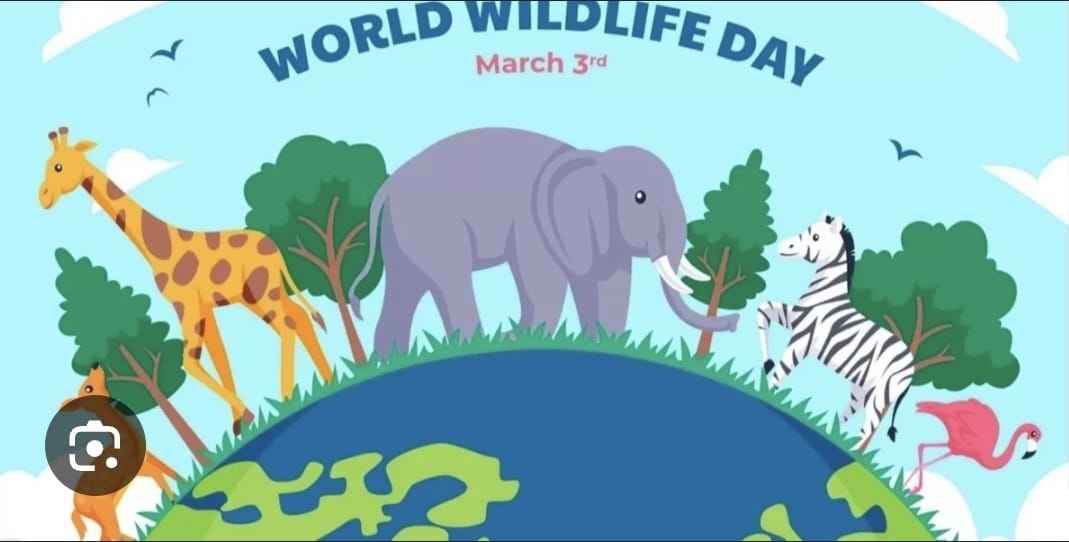
March 3rd is here again. The world commemorates World Wildlife Day, yet at the same time, forests continue to shrink, rivers are polluted, and animals are losing their homes. We celebrate with slogans, but the earth mourns in silence. The question is simple yet poignant: what is the fate of wildlife today amidst increasingly unstoppable human ambitions?
World Wildlife Day, established by the United Nations, is not just an annual ceremony. It is a reminder that the balance of nature is on the brink of extinction. Illegal hunting, deforestation, climate change, and unrestrained resource exploitation have pushed many species to the brink of extinction. In Indonesia, forests that were once the lungs of the world are now fragmented. Elephants have lost their migration routes, tigers their home ranges, and birds have lost their nesting trees.
The 2026 global theme, “Medicinal and Aromatic Plants: Conserving Health, Heritage, and Livelihoods,” highlights the importance of medicinal and aromatic plants. At first glance, this appears to be a shift away from wildlife. However, the underlying message remains the same: life is interconnected. Plants, animals, and humans exist within an inseparable ecosystem. When forests are cut down, not only trees fall, but the chain of life collapses.
This is where the relevance of Shaykh Al Zaytun’s trilogy of awareness finds its meaning: philosophical, ecological, and social awareness.
Philosophical awareness teaches that humans are not absolute rulers of the earth, but rather part of God’s creation, equal to all other creatures. Wildlife is not an object of exploitation, but a fellow creature with a right to life. If humans feel noble because of their reason and morals, that nobility is tested by how they treat creatures unable to defend themselves.
Ecological awareness demands responsibility. Nature is not a legacy from our ancestors, but a trust for future generations. Forests are not merely economic commodities, but life systems. When a species becomes extinct, we are effectively ripping a knot from the web of life that sustains us.
Social awareness broadens the meaning of caring. Wildlife destruction is not just an environmental issue, but a humanitarian one. Conflict between humans and animals, flooding caused by deforestation, and the loss of food and medicine sources all have a direct impact on people’s social lives.
The growing culture of environmental stewardship in the Al Zaytun area is a concrete example that awareness doesn’t stop at theory. Reforestation, productive land management, and the practice of clean and environmentally friendly living demonstrate that ecological education must begin with culture, not just discourse. They teach that humans, plants, and animals exist in harmony within God’s creation, not oppressing one another, but caring for one another.
The fate of wildlife today is largely determined by human choices. Will we continue to place ourselves at the center of everything, or begin to realize that life is a symphony that requires all elements to remain intact?
World Wildlife Day isn’t just about saving animals in distant forests. It’s about saving our own conscience. Because when animals’ homes are destroyed, we are essentially destroying our shared home: the Earth.**
Indonesia, March 3, 2026
——-