Blengep, Culinary Heritage of Taste from the Land of Indramayu
Author: Sujaya, S. Pd. Gr.
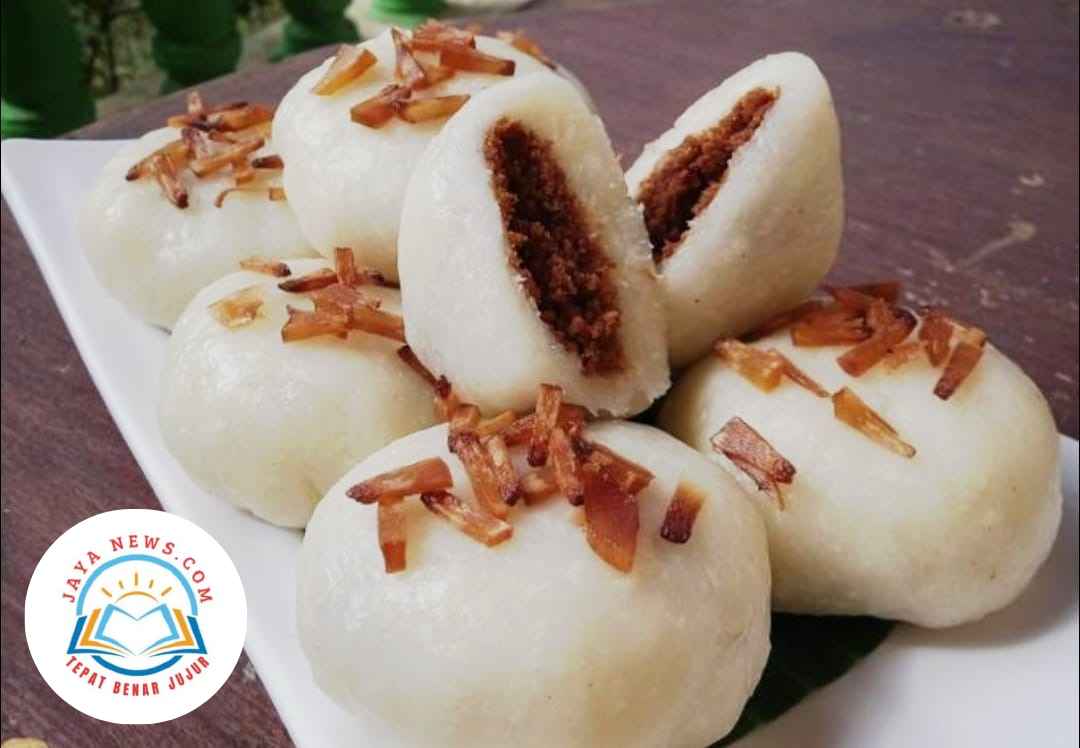
Amidst the hustle and bustle of the modern culinary world, there is still a glimmer of warmth from traditional snacks that are slowly but surely being forgotten. One of them is Blengep Kueh, a typical Indramayu snack that holds a wealth of taste, history, and culture. The name “blengep” may sound foreign to the ears of the younger generation, but for the people of the north coast of Java, this cake is part of childhood memories and a symbol of togetherness in the family.
Blengep Kueh is known for its soft and slightly mushy texture—in accordance with the meaning of the word “blengep” in the local language. Made from simple ingredients such as glutinous rice flour, grated coconut, and brown sugar, this cake offers the right combination of sweet and savory flavors. The process of making it is not complicated, simply by forming a flour dough filled with a mixture of coconut and brown sugar, then steaming it until cooked. Although simple, the taste can leave a deep impression.
The uniqueness of Blengep Kueh lies not only in its taste, but also in its cultural value. This cake is often served at traditional events, celebrations, and thanksgivings. In the past, it was made by mutual cooperation by housewives in the village, becoming a moment of togetherness that strengthened social relations. Unfortunately, this tradition is now starting to fade, replaced by the dominance of instant food and contemporary snacks that are more attractive to young people.
Losing Blengep Kueh means losing a piece of Indramayu’s cultural mosaic. Therefore, there needs to be a serious effort to reintroduce this snack, either through culinary education in schools, promotion through social media, or training for local MSMEs. Young people need to be made aware that preserving cultural heritage is not only by remembering, but by tasting, making, and sharing traditional cakes like this.
In every bite of Blengep Kueh, there is a story about the past, about simplicity that is full of meaning. Traditional culinary like this is not just food, but a heritage of taste that needs to be kept alive so that it is not lost in time.
Indramayu, 8/5/2025
—-
Blengep, Culinary Heritage of Taste from the Land of Indramayu