
Theology, Artificial Intelligence, and the Future of Islamic Education: Ideas on Digital Ethics from the Al-Zaytun International Seminar
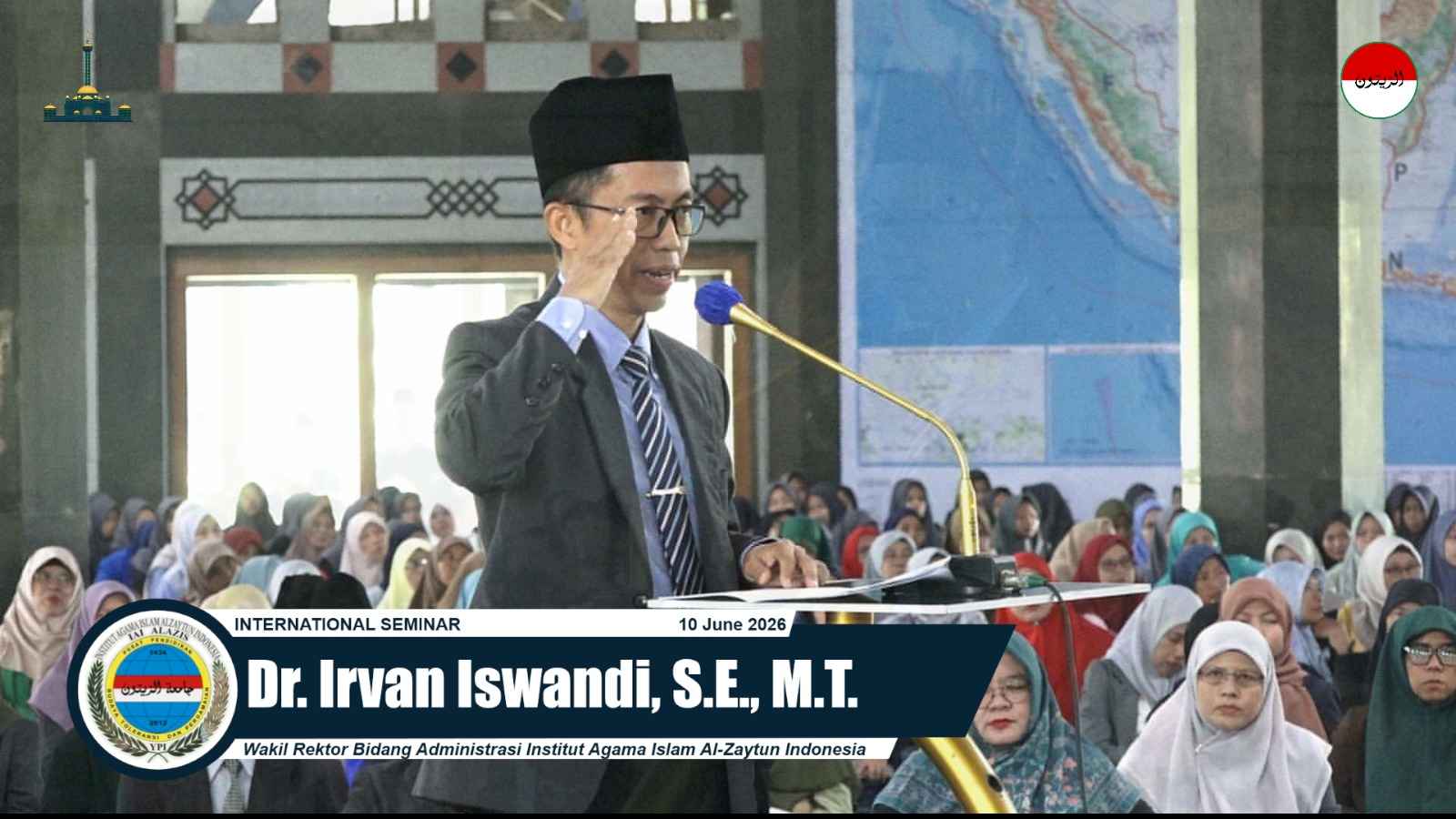
(Excerpted from a presentation by Dr. Irvan Iswandi, SE. MT)
By: Ali Aminulloh
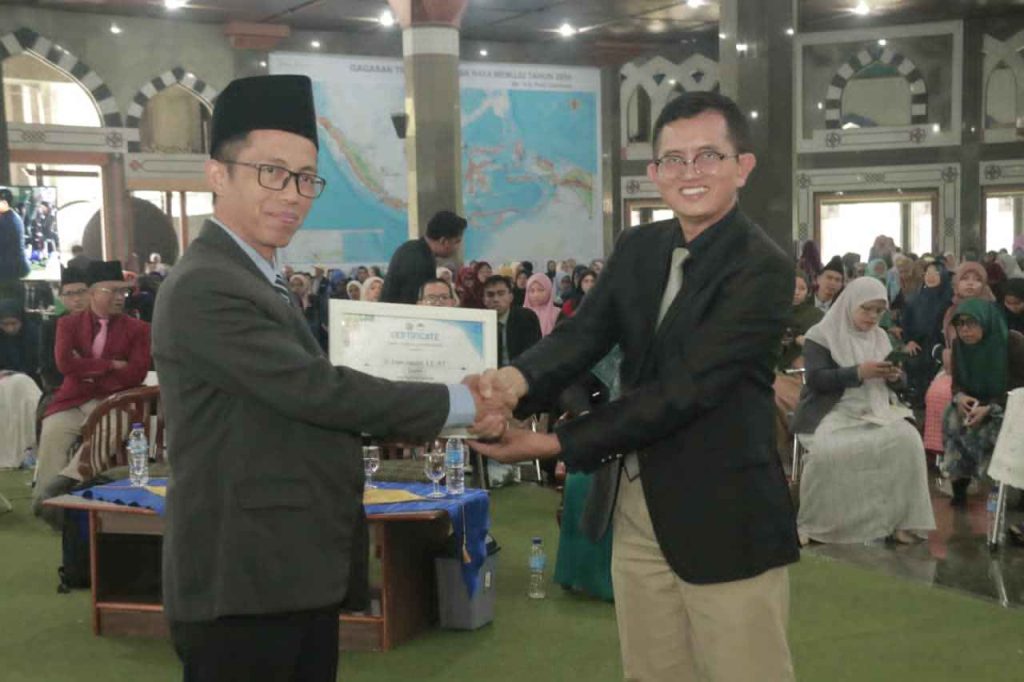
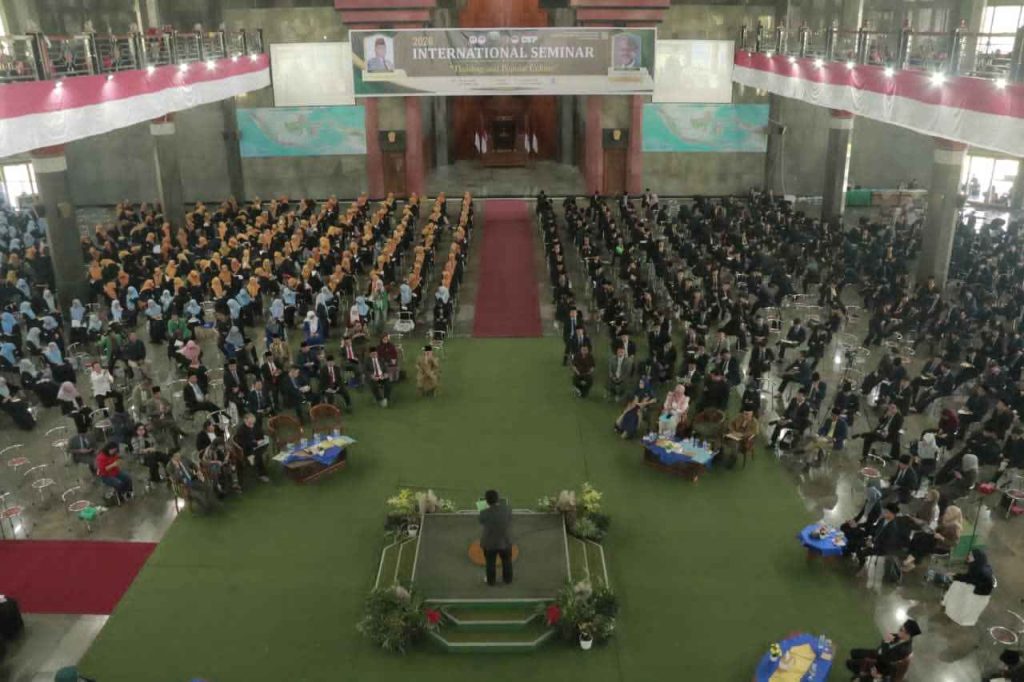
Mahad Al-Zaytun, together with the Al-Azis Islamic Institute (IAI), held an International Seminar on June 10, 2026, at the Rahmatan Lil ‘Alamin Al-Zaytun Mosque in Indonesia. This scientific event featured three professors: Prof. Dr. Hj. Aan Hasanah, M.Ed., Prof. Dr. H. Idzam Fautanu, MA., and Prof. Dr. Joshua David Hollman, Ph.D., as well as Dr. Irvan Iswandi, SE, a lecturer at IAI Al-Azis. MT.. The seminar, attended by approximately 3,920 participants, brought together lecturers, teachers, foundation administrators, students, schoolchildren, guardians of Islamic boarding school students, and farmers from the Indonesian Food Security Support Farmers Association (P3KPI) in a forum for interdisciplinary academic dialogue.
Amidst the accelerating wave of digital transformation, the seminar not only discussed the development of technology and artificial intelligence (AI), but also raised a more fundamental question: how can technology develop without losing its moral, ethical, and spiritual foundation?
One interesting thought was presented by Dr. Irvan Iswandi, S.E., M.T., Vice Rector for Administration at IAI Al-Azis. In his presentation, entitled “A Theology-Based Digital Ethics Framework for Islamic Higher Education Information Systems: A Government Perspective,” he encouraged participants to view the development of AI not simply as a technological phenomenon, but as part of popular culture that has become integrated into the lives of the younger generation.
According to Irvan, almost all students are now accustomed to using various artificial intelligence-based applications to assist them in their learning process, preparing assignments, conducting research, and completing academic work. As a lecturer who teaches programming, he acknowledged that the use of AI by students is an unavoidable reality. The most important thing is no longer to prohibit its use, but rather to ensure that users are accountable for the results obtained from this technology.
“AI is a tool. The problem is not the tool, but how humans use it responsibly,” was the essence of his presentation. When students create computer programs with the help of AI, for example, they must still understand the logic, processes, and reasoning behind each answer the system provides.
Ethical Challenges in the Era of Artificial Intelligence
Irvan explained that universities currently face various new challenges arising from advances in digital technology. These include privacy violations, misuse of student data, algorithmic bias, academic dishonesty, AI-based plagiarism, lack of transparency in automated decision-making, and cybersecurity threats.
This phenomenon demonstrates that technological issues can no longer be solved solely through technical approaches. Universities need governance that integrates technological effectiveness with moral responsibility. This is where the research question that underpins Irvan’s study emerged: how can Islamic universities effectively manage digital technology while remaining compliant with Islamic ethical principles?
From Data to Wisdom
To answer this question, Irvan uses the DIKW Hierarchy (Data, Information, Knowledge, Wisdom) approach. According to him, data is simply raw facts that lack meaning. When data is processed and organized, it transforms into information. Information combined with experience produces knowledge. The highest level is wisdom, namely the ability to use knowledge to make informed decisions.
In the context of higher education, wisdom is the ultimate goal of digital transformation. Technology should not stop at the ability to collect large amounts of data, but must also be able to help humans make better, fairer, and more beneficial decisions for society.
Building a Theologically Based Digital Ethics Framework
Based on this framework, Irvan offers a digital ethics model based on the five theological foundations of Islam: Tawhid, Amanah, Adil, Ihsan, and Maslahah.
Tawhid positions technology as a means to serve humanity and support the well-being of life, not an end in itself. Amanah emphasizes responsibility in managing data and information held by educational institutions. Adil (Justice) requires digital algorithms and systems to be free from discrimination or bias that harms certain groups. Ihsan encourages continuous improvement in the quality of digital services, while Maslahah directs technology to provide the broadest possible benefits for education, society, and humanity.
For Irvan, these values
this is a highly relevant foundation for addressing the various ethical issues arising from the development of AI. Technology that loses its moral orientation has the potential to become an instrument of destruction, while technology grounded in theological values can become a means of human empowerment.
Towards a Human-Centered Digital Transformation
In addition to theological foundations, the framework offered also covers aspects of ethical governance, AI and data governance, academic integrity, and sustainable digital transformation. In practice, digital governance must uphold the principles of accountability, transparency, fairness, and responsibility.
He also emphasized the importance of human-centered technology, namely technology designed based on human needs, not simply sophisticated features. Many applications appear complex and modern, but actually complicate user experience because they don’t align with real needs in the field. Therefore, digital transformation must remain grounded in the experience and comfort of humans as the primary users.
Furthermore, digital services must also be inclusive and sustainable. Rapid technological developments require universities to build adaptive governance systems so they can adapt to changing times without losing the direction and core values that underpin their identity.
Uniting Technology and Spirituality
This international seminar, organized by Mahad Al-Zaytun and IAI Al-Azis, demonstrates that the debate on artificial intelligence is no longer solely about machine capabilities, but also touches on deeper philosophical and theological questions. How can humans maintain human values amidst the dominance of algorithms? How can education shape a generation that is both digitally intelligent and morally mature?
Through this forum, which brought together national and international academics, Al-Zaytun reiterated the importance of building a scientific civilization that does not separate technological progress from ethical and spiritual dimensions. Ultimately, as Dr. Irvan Iswandi stated, the future of Islamic higher education will not only be determined by the sophistication of technology, but also by how wisely it is used for the benefit of humanity.**
Indramayu, June 12, 2026
——


