THE ROLE OF TAMIL PEOPLE IN RESISTANCE AGAINST BRITISH COLONIALISTS (1940S) HELPED THE ESTABLISHMENT OF THE STATE OF MALAYSIA
By Hamly Hadi
History Observer
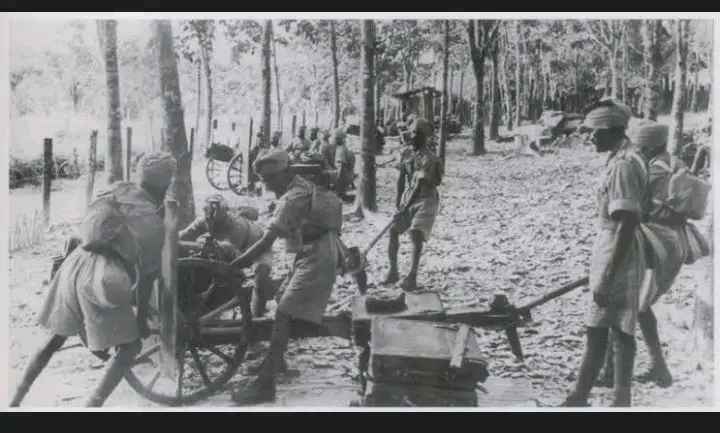
The history of the Tamil people’s struggle in Malaysia against the British colonialists is rooted in resistance to economic exploitation, forced labor, and social oppression during the colonial period. Although initially brought as indentured laborers (coolies) for British rubber plantations and infrastructure projects, Tamils gradually developed political awareness and participated in the anti-colonial movement.
The following are key points in the history of the Tamil people’s struggle against British colonialism in Malaysia:
Resistance to the Kangani System (Indentured Labor):
The British used the Kangani system to bring in Tamil labor en masse under often deplorable conditions, akin to slavery. Initial resistance took the form of strikes on rubber plantations due to extremely low wages, inhumane working hours, and a poor living environment.
The Role of the Labor Movement and Trade Unions:
In the early 20th century, political awareness began to grow among Indian/Tamil workers. They were active in trade unions, despite severe repression by the British colonial government. Trade unions became a platform for demanding basic rights, better wages, and ultimately independence from Britain.
Struggle Through the Tamil Press:
Tamil newspapers and publications played a crucial role in spreading nationalist ideas and political awareness among the Indian community in Malaya.
In short, the Tamil struggle in Malaysia against the British colonialists was both a class struggle and an anti-colonial struggle based on trade unions and labor movements in rubber plantations, which later merged with the Malayan national independence movement.
The defeat of Britain by Japan shattered the myth of “British superiority,” emboldening and galvanizing the Tamil community.
Many Tamil figures were involved in radical trade union and communist movements (such as the Malayan National Liberation Army (MNLA), which resisted the return of the British after the Japanese surrender.
Some notable Tamil revolutionaries in the Malayan independence struggle include:
S.A. Ganapathy: A vocal trade union leader against colonialism, he became president of the Pan-Malayan Trade Union Federation.
P. Veerasenan: A trade union leader who died in the anti-British struggle.
Vattakudi Iraniyan and Gurudevan: Other prominent figures in the labor resistance.
The Struggle for Independence and Citizenship Rights
After World War II, the Indian Tamil community demanded better wages, decent working conditions, and legal citizenship rights in Malaya.
Besides directly opposing the British, the struggle also included educational and social improvements for plantation workers, freeing them from dependence on their colonial employers.
Conclusion:
The Tamil struggle in Malaysia against the British colonialists evolved from passive resistance on the plantations to active political action and a progressive labor movement. This community rejected the colonial perception of them as an inferior labor group and contributed to shaping the identity of an independent Malaya.**
Banjarmasin, January 26, 2026
——-