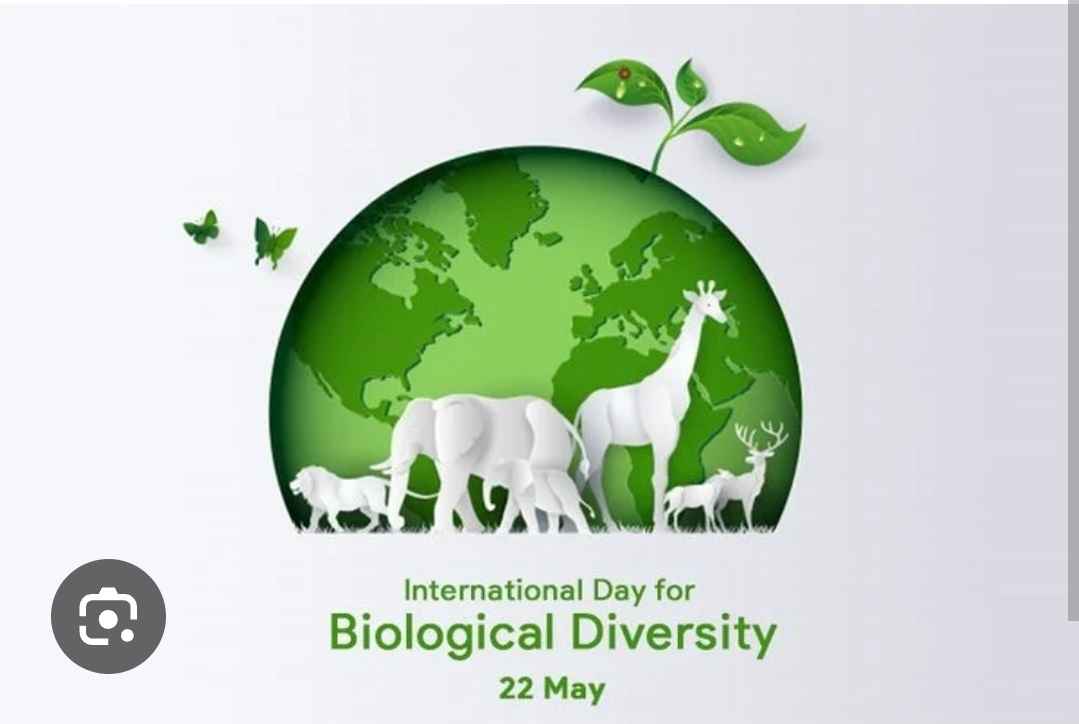
Maintaining the Earth’s Pulse from Local Roots: Reflections on the Trilogy of Awareness on International Biological Diversity Day
By Ali Aminulloh
When a tree in the interior of the Indonesian archipelago falls or a sea turtle on the coast becomes entangled in plastic, a link in the cosmic chain of life is broken. Humans often forget that they are not the sole owners of the universe, but merely one of its inhabitants, most dependent on the survival of other creatures.
The loss of biodiversity is not merely a statistical figure in a world report; it is the collapse of the foundations of food, medicine, clean water, and even our defense against the climate crisis.
Therefore, every May 22nd, the world pauses to commemorate International Biological Diversity Day. This momentum, born from the adoption of the Convention on Biological Diversity at the Earth Summit in Rio de Janeiro in 1992, serves as an annual reminder to prevent the issue of extinction from being drowned out by the hustle and bustle of modern industrial relations.
As the world’s second-most biodiverse nation, home to approximately 17% of the planet’s species, Indonesia cannot afford to simply ceremonially commemorate this event. A strong spiritual and intellectual anchor is needed to drive concrete action, one such reflection being the Shaykh Al Zaytun Trilogy of Consciousness, which combines three essential pillars: philosophical awareness, ecological awareness, and social awareness.
Philosophical awareness serves as the starting point, inviting us to understand the reality that every creature was created with a precise blueprint to maintain the balance of the universe. From there, ecological awareness is born, calling us to take concrete action to address the threat of deforestation. This awareness is then complemented by social awareness, a perspective that environmental sustainability is a collective responsibility to ensure justice in life and the fulfillment of basic rights for all levels of society, both now and in the future.
The synergy of this trilogy of awareness is embodied in the theme of International Day for Biological Diversity, “Acting Locally for Global Impact.”
This theme emphasizes that significant progress always begins in the immediate environment, where educational institutions should take a vanguard role as living laboratories for biodiversity development. A concrete example of this concept’s application can be seen at the Ma’had Al Zaytun Campus. On this campus, the educational environment has been transformed into a green ecosystem where trees are not simply planted but also cared for, maintained, and preserved sustainably. This lush vegetation not only serves as physical shade and comfort for the entire academic community, but also serves as a means of ecological education, proving that science, spirituality, and nature conservation can go hand in hand.
Looking ahead, the conservation challenges in Indonesia are indeed growing, in line with the global target of the Kunming-Montreal Global Biodiversity Framework to protect 30% of the world’s land and sea by 2030. Although cutting-edge technologies such as DNA barcoding and artificial intelligence-based monitoring are beginning to be deployed, the primary drivers remain the human heart and consciousness.
Through the integration of philosophical, ecological, and social awareness, exemplified through concrete actions in the educational environment, we are invited to re-realize that caring for nature is the best way to care for humanity itself.**
Indonesia, May 22, 2026
——