When Power Becomes the Goal, We Lose Sudirman
(Remembering the 76th Anniversary of General Sudirman’s Death)
By Dr. Ali Aminulloh, M.Pd.I., ME.
Does this nation lack leaders, or does it lack shame?
Amidst the glitz and glamour of today’s officials, this question feels increasingly relevant. We witness positions fought over, power maintained at all costs, and public honor often sacrificed for personal ambition. It is at this point that the memory of General Sudirman presents a poignant paradox: a great leader who refused to become great for himself.
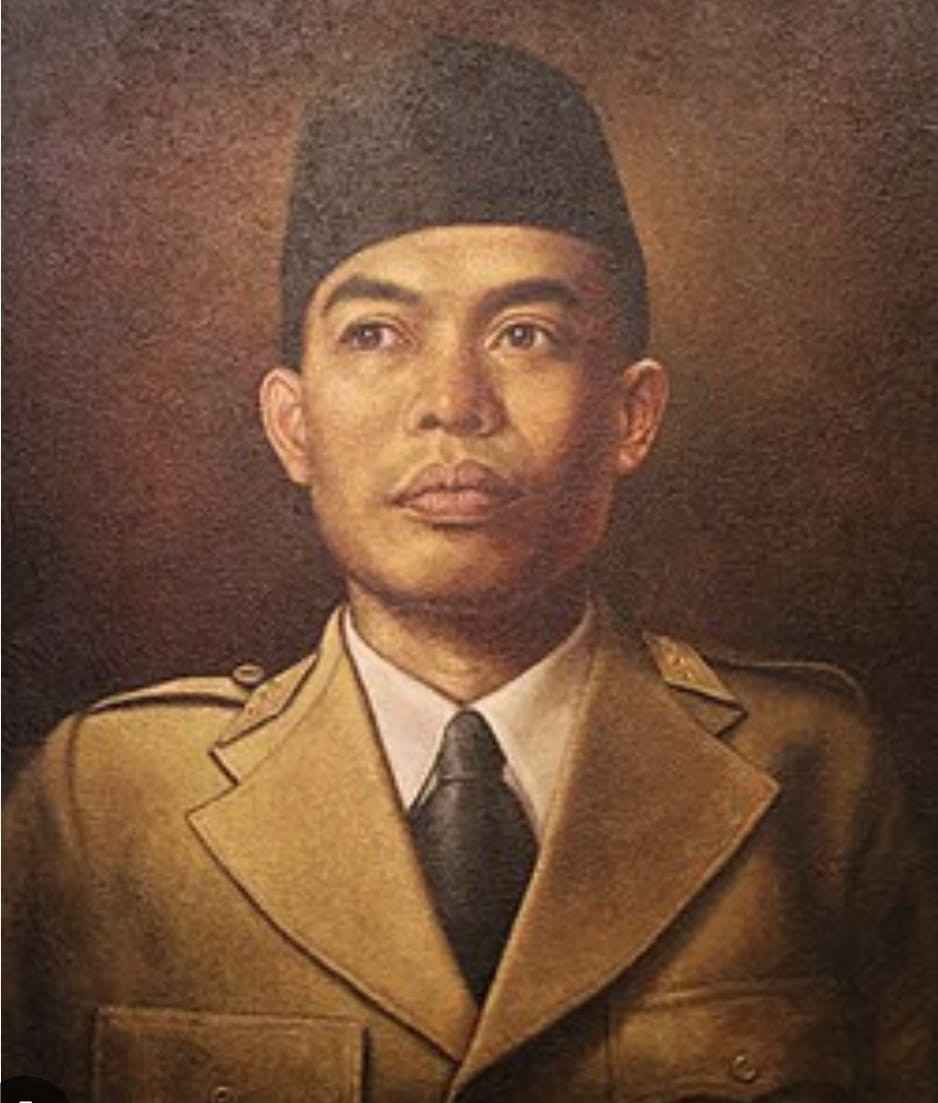
On January 29, 1950, General Raden Sudirman passed away. Seventy-six years have passed, but the legacy of his exemplary legacy never truly fades. He left the world without a palace, without wealth, without a political family. All that remains is a moral reputation: something that today feels increasingly precious, even rare, in the life of a nation and state.
Sudirman lived in a time when the nation was not yet established, the economy was in disarray, and threats came from all directions. Yet, it was precisely amidst these limitations that he demonstrated the true meaning of leadership. With his body ravaged by disease, he chose to lead a guerrilla war from forest to forest. He was carried on a stretcher, not pampered. He fought, not hidden. For Sudirman, leadership was not about appearing on the stage of power, but about being present in the midst of the people’s suffering.
In contrast, today’s reality often shows a different face of power. Some officials appear hedonistic, fond of flaunting luxury, as if office were a gift, not a mandate. Case after case rolls in: corruption, abuse of authority, conflicts of interest that erode public trust. Amidst this situation, Sudirman’s example feels like a silent voice calling to the nation’s conscience.
Sudirman’s personality was so precious because it was built on values, not privileges. He was loyal to the republic, but never tempted to exploit it. He possessed military power, but chose to submit to the constitution. He was loved by his troops, but did not exploit that love for personal ambition. His moral strength lay in his ability to restrain himself.
In contemporary educational terms, Sudirman’s exemplary conduct aligns with the trilogy of awareness initiated by Sheikh Al Zaytun. Philosophical awareness is evident in Sudirman’s understanding of life and power as divine mandates. Ecological awareness is reflected in his guerrilla warfare, which is at one with nature, respecting the forest as a living space, not merely a battlefield. Social awareness is present in his commitment to the people, emphasizing that soldiers are born from the people and must return to the people.
This trilogy finds its echo in the motto of Ma’had Al Zaytun: to educate and build solely for the sake of worshiping Allah. This is a view that positions knowledge, power, and leadership as means of devotion, not tools for ego gratification. Al Zaytun’s vision as an educational center for developing a culture of tolerance and peace toward a healthy, intelligent, and humane society resonates with Sudirman’s spirit of struggle: nationalism rooted in faith and humanity.
Remembering Sudirman is not merely a recollection of the past. It is a mirror for today. A mirror that reflects an uncomfortable question: where have the simplicity, sincerity, and sense of responsibility in our leadership gone? Is office still seen as a mandate, or has it become a commodity?
Seventy-six years after the death of General Sudirman, this nation may no longer need a wartime leader. But we desperately need the spirit of Sudirman—a spirit that dared to live simply, remained true to its values, and put the nation’s interests above all else. Without it, power will become nothing more than a cold historical footnote, devoid of honor and meaning.**
Indonesia, January 29, 2026
——