By, Jacob Ereste
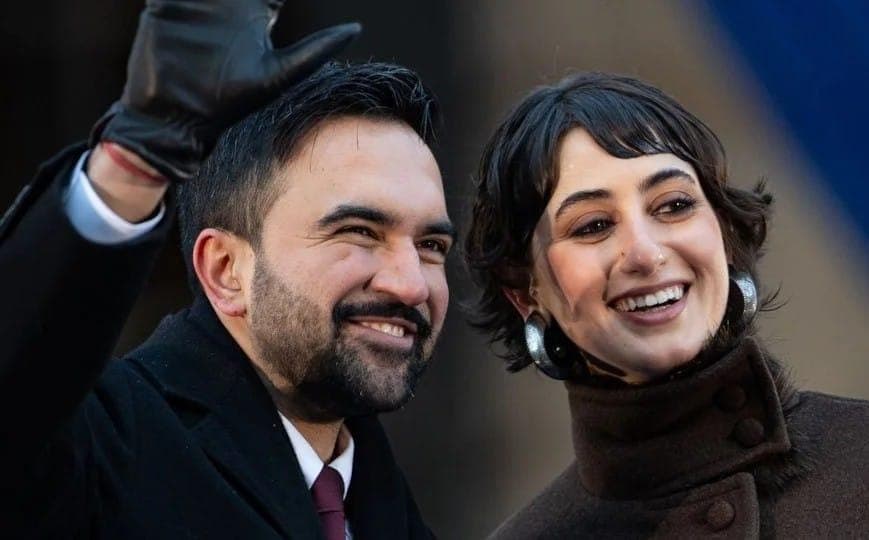
The friendly demeanor and conduct of Zohran Mamdani—a New York City official—have garnered public attention and praise, going viral via the Threads account @wisnu.albataafi. Interestingly, he has also become a hot topic among Indonesian netizens who long for a leader of the people like Mamdani; they admire his tangible actions for New York City residents, who are highly satisfied with his performance and the benefits he delivers in fulfilling the mandate of his office.
Some Indonesian netizens have even noted that while there may be public officials in Indonesia who share Mamdani’s character and attitude, they are often rendered powerless—hemmed in by “bandits” seeking only personal gain, whether material or merely for the sake of image-building. These figures prioritize consolidating power over the actual duties and functions of public service—namely, implementing programs that genuinely benefit the masses.
Through that account, his character—his courtesy, ready smile, hospitality, propriety, and excellent ethics—has resonated not only with the citizens he leads but also with people across the globe who have witnessed his noble behavior.
As a devout Muslim living in a predominantly non-Muslim society, Zohran Mamdani shines as a beacon of light, offering guidance and direction toward happiness that transcends the material realm to encompass the spiritual as well. This demonstrates that identity politics—as evidenced by Zohran Mamdani’s own local mayoral campaign, which garnered significant support from non-Muslim voters—reflects the maturity of New York’s populace. Their ability to distinguish between political and religious interests, free from the primitive sectarianism often found in places considered modern or even cosmopolitan, is remarkable.
This phenomenon frequently leaves social, political, and cultural observers astonished, struggling to comprehend how such a dynamic—seemingly defying conventional logic—can unfold. After all, separating politics from religion does not necessitate disregarding faith; religion should remain a foundational guide for decision-making without being politicized in a way that diminishes its sacred values. It is through this kind of understanding, awareness, and spiritual intelligence that spirituality proves increasingly vital—something to be cultivated in order to attain the pinnacle of patience, sincerity, and humility, all underpinned by profound empathy.
Cengkareng, September 17, 2026
——-