*Purchased Democracy: From Rp 100,000 to Systemic Corruption*
By:
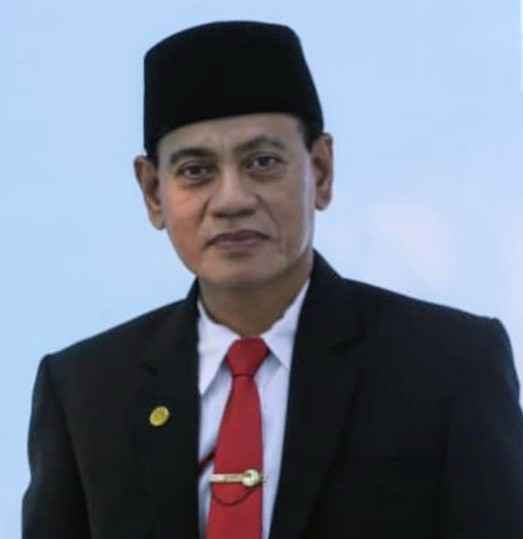
*Dr. Masduki Duryat**
Rocky Gerung’s sarcasm on one occasion was very sharp: During the election, many people are trapped in pragmatic-transactionalism, willing to buy their votes for just 50,000-100,000 rupiah. Then, after the election, they start shouting about corruption, damaged roads, or rising prices. Yet, from the start, they themselves invited the leadership of a “thief.”
If democracy can be bought for the price of a package of basic necessities or Rp 100,000, then don’t be surprised if power turns into a black market full of transactions.
Rocky Gerung’s sharp sarcasm is not merely empty rhetoric, but a dim reflection of our political reality: the people sell their votes, then condemn their own leaders. Ironically, they forget that from the start, they have signed a moral contract with the “prospective thief” they elected.
Transactional Pragmatism and Voter Pseudo-Rationality
The phenomenon of transactional pragmatism in elections, regional elections, and village head elections (Pilkada) is not simply a matter of individual ethics, but rather a systemic failure to build political awareness. From a political science perspective, the practice of vote buying is categorized as clientelism, when the relationship between voters and candidates is not based on programs, but rather on short-term transactions (Stokes, 2005).
Voters are often assumed to act rationally—accepting money as an immediate benefit. However, this is pseudo-rationality. Rp50,000 may seem real today, but the impact is collective irrationality: bad policies, stagnant development, and rampant corruption.
Prophetic Leadership (FAST) Buried by Money Politics
In Islamic tradition, ideal leadership is formulated in the concept of FAST: Fathanah (intelligent), Amanah (trustworthy), Shidiq (honest), and Tabligh (communicative). This is not merely a moral value, but the foundation of leadership oriented toward the public good.
However, in a transactional political system, the FAST criteria become irrelevant. Candidates are not selected for their integrity or capacity, but for their financial capabilities. In other words, democracy no longer produces the best leaders, but rather the most expensive leaders, categorized as _high-cost_.
*High Cost Politics and the Logic of Return on Investment in Power*
High-cost politics is the main gateway to corruption. Campaign costs reaching billions of rupiah—including vote-buying—create pressure on candidates to recoup their investment after taking office.
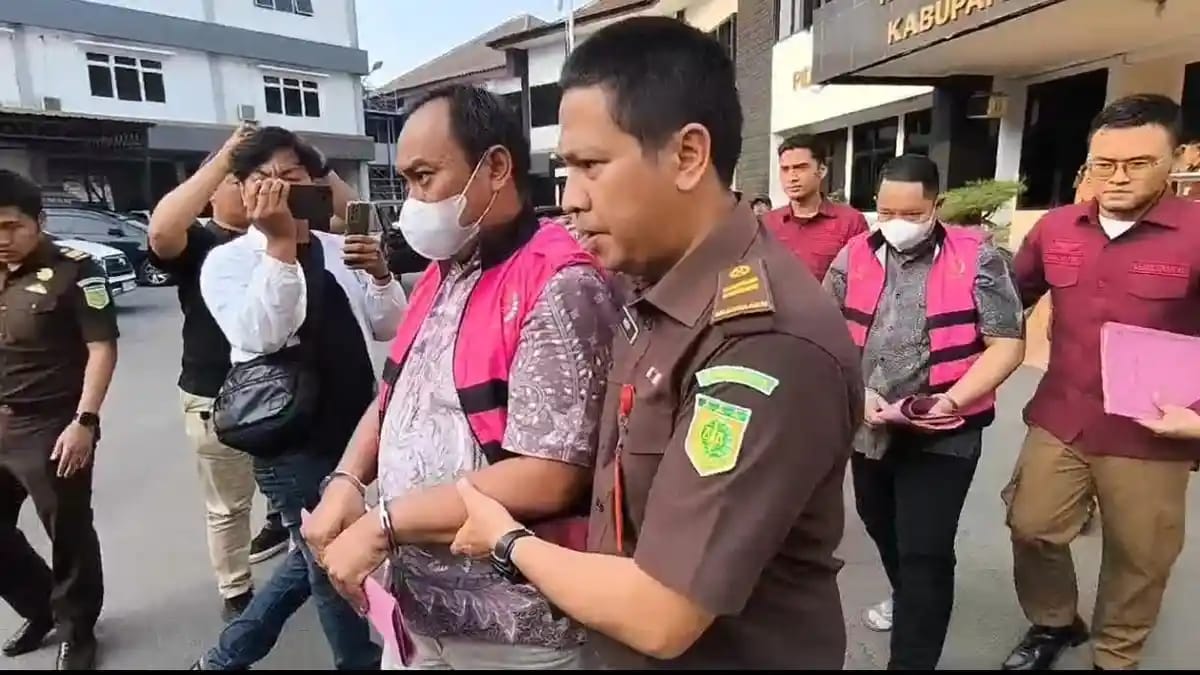
In many cases handled by the Corruption Eradication Commission (KPK), regional heads caught in sting operations (OTT) follow a similar pattern: project corruption, permit bribery, and budget manipulation (KPK Annual Report). Public office has become an investment, not a trust.
*The Vicious Cycle of Transactional Democracy*
This phenomenon creates a repetitive and destructive cycle: First, pragmatic voters; Second, transactional leaders; Third, systemic corruption; Fourth, poor public services; public disillusionment; and Fifth, a return to pragmatism.
This cycle will not be broken if the people remain cynical spectators, not conscious actors, and this is part of the failure of our political education.
*The Failure of Political Education and the Crisis of Civic Culture*
This problem also demonstrates the failure of political education. Our democracy emphasizes procedure over substance. Participation is high, but the quality of choice is low.
According to Almond and Verba (1963), democracy requires a civic culture—a political culture aware of rights and responsibilities.
Without it, democracy becomes merely a five-yearly ritual that loses its ethical meaning.
*Political Parties: Between Capital and Capacity*
Political parties should be the gateway to selecting quality leaders. However, in reality, many parties prefer candidates with significant capital rather than leadership capacity.
As a result, the political recruitment process has lost its meritocratic basis. FAST has become merely a campaign slogan, not a selection principle. Politics has transformed from an arena of service to an arena of investment.
*The Way Out: From Smart Voters to Leaders with Integrity*
To break this cycle, strategic steps are needed: First, Transform Voter Awareness. Voters must understand that accepting money is a long-term loss. Rp 100,000 today could mean five years of suffering; Second, Political Funding Reform. Transparency and accountability in campaign financing must be strengthened so that candidates do not rely on transactional practices;
Third, Strengthen Law Enforcement. Sting operations are important, but prevention is far more crucial. The system must close loopholes for corruption from the start; Fourth, Revitalize FAST Leadership. The values of Fathanah, Amanah, Shidiq, and Tabligh must become ethical standards in politics, not just rhetoric.
*Closing: We Choose, We Bear*
Ultimately, democracy is a reflection of the quality of its people. If the people are easily bought, then leaders will easily sell their power. Conversely, if the people are intelligent, then leaders will be forced to maintain integrity.
Rocky Gerung’s sarcasm should be a slap in the face, not entertainment. Because in a democracy, we don’t just get the leaders we elect—we get the leaders we truly deserve.**
Indramayu, May 1, 2026
*)The author is the Rector of the Al-Amin Institute for Islamic Studies in Indramayu and a Postgraduate Lecturer at the Syekh Nurjati Cirebon State Islamic University (UIN)
——