Learning from Winnie the Pooh: Caring for Humanity in an Age of Meaninglessness
By Ali Aminuloh
Every January 18th, the world commemorates Winnie the Pooh Day.
There’s a reason for this. This date marks the birthday of A. A. Milne, the author who created the humble, honey-loving bear who lives on in the hearts of generations. The world celebrates it not simply as a nostalgic reminder of children’s literature, but as a tribute to the human values that are increasingly rare in modern civilization.
The paradox is palpable today. We live in the era of Gen Z, the most tech-savvy generation, the quickest to adapt to AI, yet at the same time the generation most often feels alone, anxious, and disconnected from the meaning of life. Gadgets bring those who are far closer, but distance those who are close. AI can answer many questions, but it fails to answer the most fundamental question: why do we live together?
It is at this point of anxiety that the world turns again to Winnie the Pooh.
Why Does the World Celebrate Winnie the Pooh?
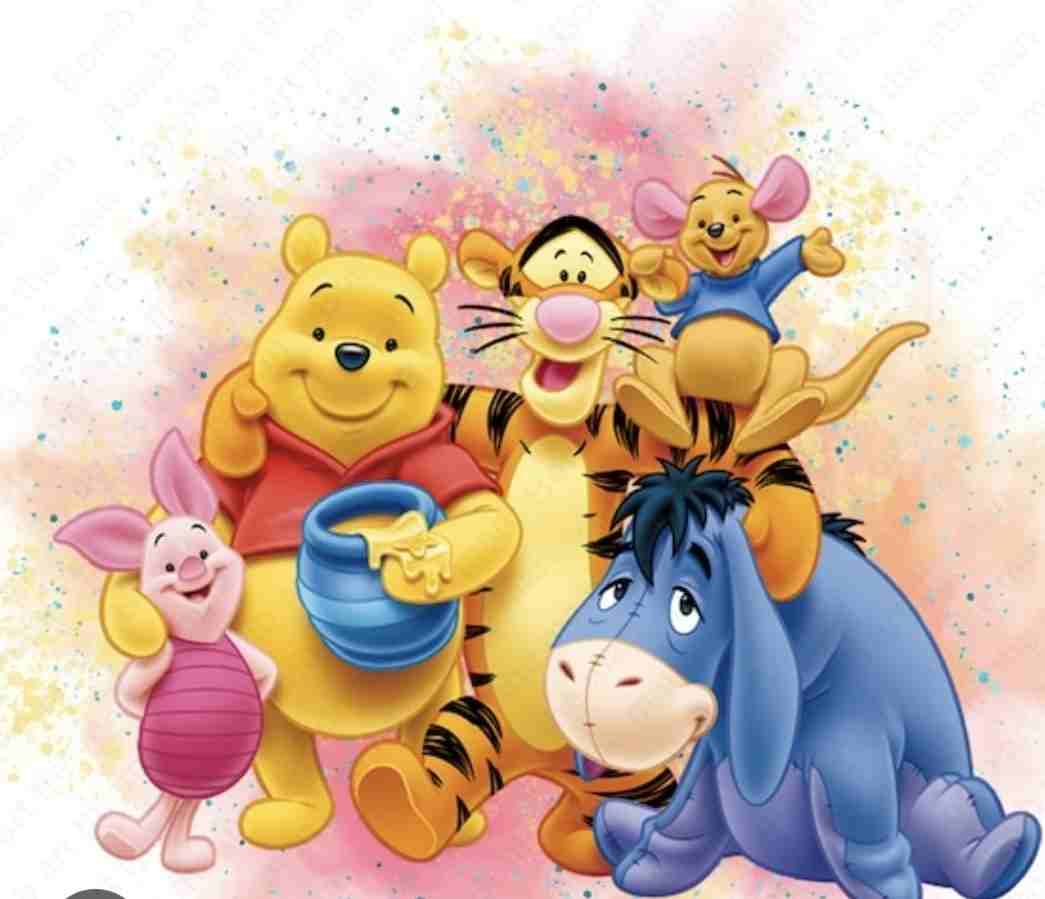
Winnie the Pooh is legendary because he offers something that sophisticated technology cannot: wisdom born of simplicity. Pooh is neither a genius nor a great hero. Instead, he teaches that life doesn’t always have to be fast, strong, and victorious. Along with anxious Piglet, gloomy Eeyore, and explosive Tigger, Pooh presents a world that accepts people as they are.
This is why this story has endured for almost a century. He doesn’t preach, but soothes. He doesn’t force, but matures. At a time when education is often trapped in numbers, rankings, and targets, Pooh reminds us: a whole heart is more important than a full brain.
Relevant Life Lessons for Parents and Younger Generations
Learning from Winnie the Pooh means learning about presence, friendship, and empathy. Pooh teaches that accompanying a friend in sorrow is as valuable as celebrating success. That listening is more noble than defeating. That living together requires patience, not domination.
These values align with the trilogy of mindfulness initiated by A.S. Panji Gumilang: Philosophical, Ecological, and Social Awareness.
Pooh teaches philosophical awareness through simple reflections on the meaning of happiness. He instills ecological awareness through harmony with the natural world of the Hundred Acre Wood. And he practices social awareness through friendships across characters, without discrimination.
This spirit resonates strongly with the verse of the Polytechnic of the Homeland:
“Planting awareness, growing humanity. From a clear and open heart, a world that cares for each other is born.”
This is liberating education: education that produces human beings, not just machines for achievement.
The Paradox of the Global World
Ironically, today’s world is moving in the opposite direction. We witness global powers usurping the sovereignty of other nations, protracted conflicts, and humanity often sacrificed in the name of self-interest. When power is freed from philosophical, ecological, and social awareness, what is born is not civilization, but rather politically legitimate but morally fragile destruction.
Pause to Regain Humanity
Winnie the Pooh Day should not be just a celebration of a fictional character, but a mirror for the world of education and civilization. That amidst AI, algorithms, and global ambitions, we still need to educate our hearts to be clear and open.
This is where the values of Tolerance and Peace, as icons of Al Zaytun, find their relevance.
Because the future is not determined by who is strongest, but by who is most capable of caring for others.
And perhaps, in this noisy age, learning from Winnie the Pooh means daring to pause for a moment, to return to being human.**
Indonesia, January 18, 2026
——