
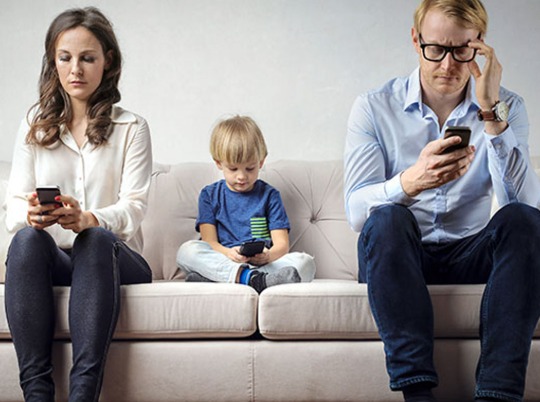
(Reflection on World Introvert Day, January 2nd)
By: Dr. Ali Aminulloh, M.Pd.I., ME.
Have you ever felt more “alive” staring at your phone screen in the corner of a cafe than greeting the person next to you? Why, in a world increasingly connected by optical cables and satellites, do people feel increasingly alienated from one another? If solitude is a way to recharge, then why has global loneliness become a new pandemic more deadly than viruses?
A Celebration for the Thinker
Every January 2nd, the world celebrates World Introvert Day. This initiative, born in 2011 from the thoughts of Felicity Kellet, honors those who often “immerse themselves” in their own worlds. Carl Jung, the maestro of psychology, long ago mapped out that introversion is not a disorder, but rather a way of processing the world from the inside out. They are thinkers, possess deep empathy, and are skilled problem solvers.
However, in 2026, the line between “being introverted” and “being antisocial” is increasingly blurred by technological intervention.
Gadgets: A Bunker for Isolated Souls
Research reveals a terrifying paradox. Although Introvert Day aims to celebrate mental health, excessive gadget use actually creates “pseudo-introverts.” A study from the Journal of Social and Clinical Psychology revealed a strong link between the duration of social media use and increased feelings of loneliness and depression.
Humans today are trapped in a false sense of comfort. We feel like we’re socializing through our fingers, when biologically, oxytocin (the love hormone) is only maximally produced through physical contact and face-to-face interaction. Gadgets have become “bunkers” that keep us from going out into the world, hiding behind the excuse of low energy or excessive me-time.
Islam and the Greeting Revolution
This is where Islam comes in, not to eradicate introverts, but to perfect human social interaction. Islam highly values khalwat (solitude for worship), but it strictly forbids uzlah (self-isolation) that breaks ties of kinship.
In the Quran, Allah SWT says:
“…And fear Allah, through Whom you ask one another, and maintain ties of kinship…” (Surat an-Nisa: 1).
The Prophet Muhammad (peace be upon him) even provided the key to this social impasse with his saying: “The best of the two is the one who initiates greetings with salaam.” (Narrated by Bukhari & Muslim).
This is a character revolution. Islam encourages its followers to be “spiritual extroverts.” This doesn’t mean being loud, but rather having the courage to open up and provide benefits. Being an introvert is no excuse for being stingy in hospitality. The greeting “Assalamu’alaikum” or “Salaamun Alaykum” is the best social icebreaker ever.
Balancing the Inner and Outer Worlds
Being an introvert is natural, but maintaining social interaction is a commandment. World Introvert Day shouldn’t be celebrated by locking ourselves further in our rooms and screens. Instead, it’s a moment for us to recharge in silence, then bring that energy out to visit relatives, shake hands with neighbors, and greet each other.
Because, ultimately, true human happiness isn’t found in the comments section or the number of likes, but in the warmth of a look and the sincerity of the greeting we extend first to the world.***
Indonesia, January 2, 2026
——-


