*PREVIEW OF DR. MASDUKI DURIYAT’S BOOK, “TEACHERS AND THE IRONY OF A COUNTRY WITHOUT CONSCIENCE: A MINIATURE PERSPECTIVE OF INDRAMAYU*
By: H. Adlan Daie
Political analyst, Secretary General of the Indonesian Ulema Council (MUI) of Indramayu Regency.
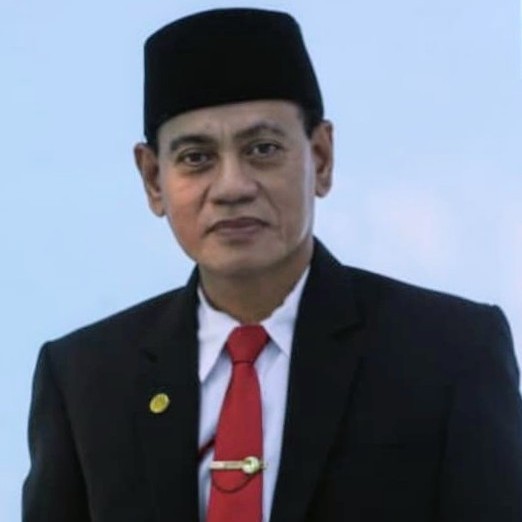
The book by Dr. Masduki Duriyat, an academic from Indramayu, West Java (soon to be published), entitled “The Thundering Budget, Teachers Disappearing, the Irony of a Country Without Conscience,” adopts the educational philosophy of Ki Hajar Dewantoro, providing a perspective on the irony of teachers as the “soul” of education.
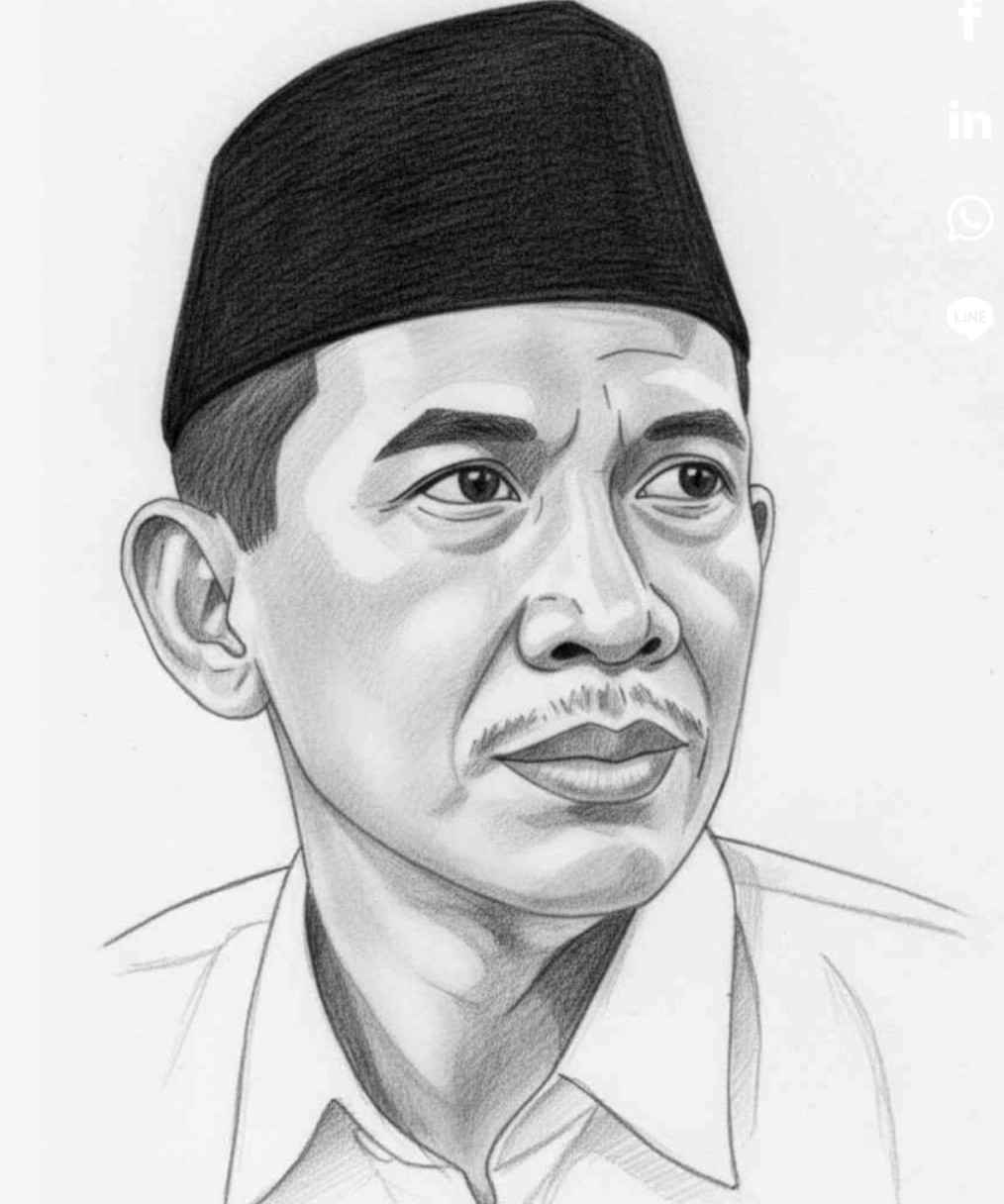
Ki Hajar Dewantoro, the father of our education, once called teachers the “soul” of education—now it appears only as political camouflage, loud and resounding during campaign seasons, then buried under the veil of pragmatism.
In fact, Mulan Jamilah, a “celebrity” actress and now a member of the Indonesian House of Representatives (DPR RI), who doesn’t possess a sufficient educational portfolio, is so arrogant and conceited that she demands “teachers not only demand salary increases but also improve their quality,” she said sharply.
This book, at least in its “insight,” demonstrates the consistency of Dr. Masduki Duriyat’s passion and interest as an education practitioner, diligently observing the details of the interconnectedness and “supply chain” of educational problems.
On the other hand, a form of “silent resistance” and intellectual anxiety over educational practices only resonates in the budget, while the role of teachers as the “soul” of education disappears from mainstream education policy.
This is the message this book conveys about the disappearing soul of teachers, the irony of a country described in its power diction as “without conscience.” Teachers are not a priority, unimportant in the priorities of political pragmatism.
Tens of thousands of MBG kitchen heads are appointed as PPPK (Employee Teachers) while thousands of honorary teachers cry out for years of service in education. The irony of a country without conscience.
In the context of the miniature Indramayu as part of the Indonesian landscape, Dr. Masduki Duriyat, who was born and raised in Indramayu, has written freelance articles for various online media outlets and regularly uploaded them to Facebook. He has raised numerous cultural and socio-educational issues in Indramayu.
As an illustration, his article on “The Resource Curse in Indramayu: Rich in Nature, Poor in Education” (Intijaya newspaper, March 9, 2026) and his article on “Uninterested Principals, Alarm for Failure of Regional Education Governance” (Jayanews, March 18, 2026) are a reflection of his anxiety about Indramayu’s future.
In the latest data update from the Central Statistics Agency (BPS) at the end of 2025, Dr. Masduki Duriyat’s anxiety is quantitatively confirmed in several variables, highlighting the low social quality of Indramayu’s residents as an obstacle to their future social mobility.
Indramayu ranks at the bottom of the list of 27 regencies/cities in West Java in two important variables: the lowest average length of schooling in West Java, at only 7.06, which correlates with the lowest competitiveness index in West Java, at only 3.8.
The impact in theory The macro-social perspective of Prof. Soedjatmoko, former Rector of the United Nations University in Tokyo, Japan (1982), is:
“A nation with a low average education level will find it difficult to compete for prosperity and will find it difficult to impact the quality of societal progress, including the democratic maturity index,” wrote Prof. Soedjatmoko.
The demographic derivative impact of the two BPS data variables above is directly correlated with the high poverty rate in Indramayu, at 11.02 (BPS 2025 data), the highest percentage in West Java, a paradox for Indramayu, which is blessed with abundant natural resources.
That is a brief insight from the author’s forthcoming book by Dr. Masduki Duriyat with the aforementioned title, about the irony of teachers as the soul of educational power disappearing in mainstream education policy in Indonesia, including in the social miniature of Indramayu, as depicted in the BPS data above.
Political regimes always change with each election and regional election season. People vested with political power come and go. Authority is not the sole path to fostering Awareness of the importance of an educational foundation as a competitive asset for Indramayu’s social mobility.
Therefore, it is the collective responsibility of the entire “middle class” (education practitioners, religious scholars, and the Indramayu civil society movement) to pass on this legacy to future generations of Indramayu.**
Wassalam
Indramayu, March 22, 2026
——