*COLLECTING COINS BY THE INDRAMAYU KOMPI : A PERSPECTIVE ON ITS POLITICAL SYMBOLIC MEANING*
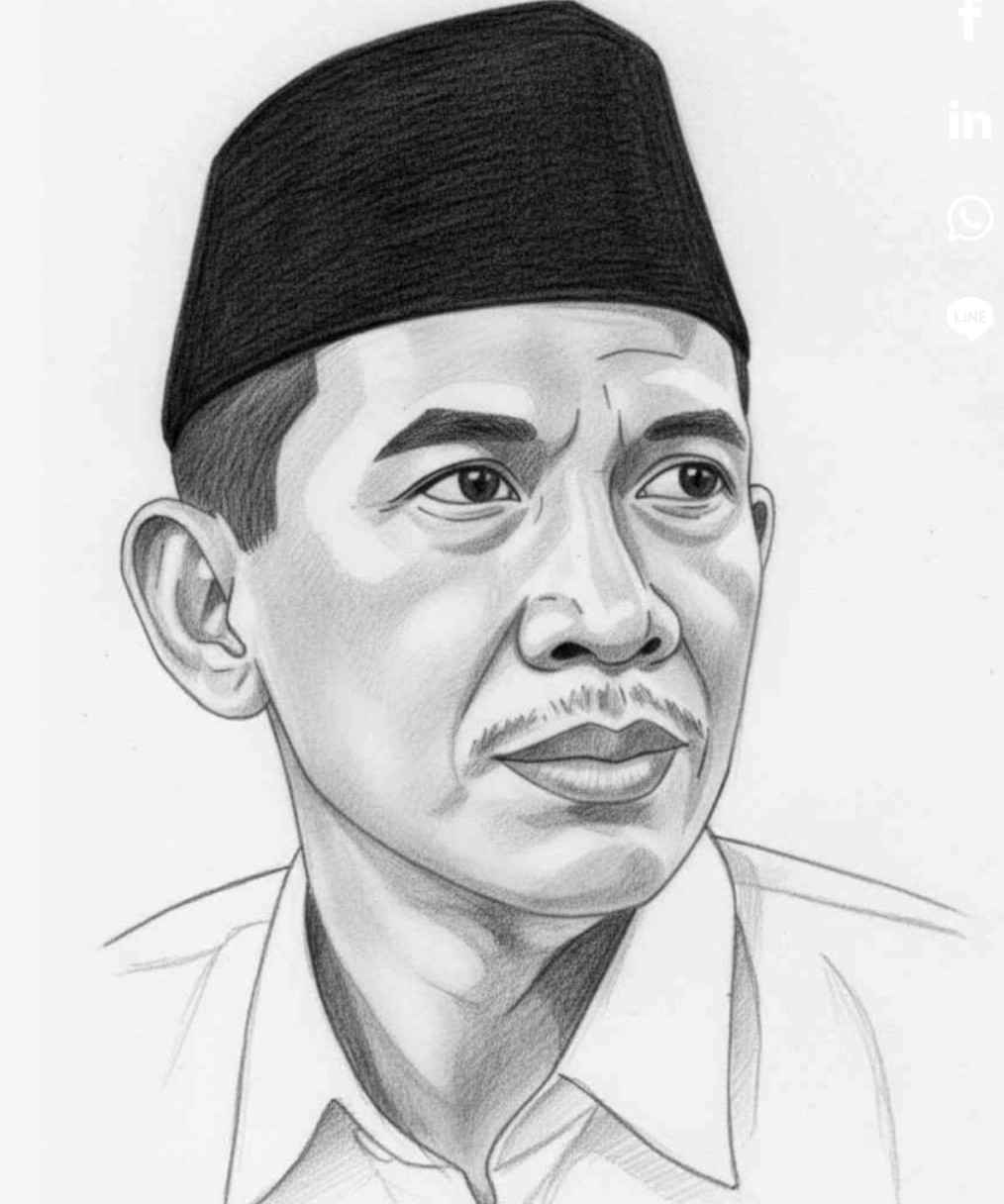
By: H. Adlan Daie
Political and socio-religious analyst
The collection of “small change” coins by the Indramayu KOMPI was not simply a goodwill gesture to compensate for the damage to public facilities (in front of the pavilion) caused by the downstream impacts of their demonstration a few days earlier (Thursday, April 2, 2025).
From the perspective of political dramaturgy, constructed by political scientist Erving Gofman, this represents a kind of symbolic resistance to the increasingly gaping collective inner wound, about the cries of their fate that are unheard and belittled.
In the political dramaturgy described above, the handing over of “small change” coins in front of the altar of the pavilion is not about the regent rejecting them due to the “prohibition of gratification,” but rather sending a symbolic message of “resistance” against the tendencies of the ruling regime’s political drama.
This is symbolic resistance to the ruling regime’s “victim” political drama, attempting to shift the KOMPI demonstrations to the damage to public facilities by “drowning out” the fundamental demands they are fighting for.
We certainly agree to strongly reject anarchic demonstrations and rallies by anyone and under any name, including the demonstration by KOMPI Indramayu against public facilities in front of the Indramayu pavilion (April 2, 2026).
However, underestimating the social trauma that erupted at the end of the demonstration is far more dangerous than the social escalation if left unchecked, even if the damage to physical infrastructure is prevented.
This is not the first time. In the past, demonstrations by Eretan Wetan residents affected by tidal flooding at the Indramayu pavilion, with protesters shouting “Lucky Liar,” as reported by TribunCirehon.Com (June 23, 2025), were also downplayed, meaning they were not encountered.
If every demonstration and protest is avoided, it will almost certainly shape the public’s perception of the arrogance and conceit of those in power. This has the potential to lead to a larger and more widespread political escalation, with difficult to mitigate impacts and ultimately social costs.
“A political regime rarely falls because of strong opposition,but it can quickly fall because of arrogance and conceit,” wrote modern Chinesse thinker, Jiang Xuentin.This is because the arrogance of political power often increases the tention of public resisntance.
In the “Ibtidaiyah” (meaning, the most basic) level of political science, as in Prof. Meriam Budiardjo’s book “Fundamentals of Political Science,” politics is not only about winning electoral contests but also about how the authority of power gained becomes a tool to protect the public interest of the people they lead.
Political leadership carries both moral and contractual responsibilities. Moral responsibility represents the hopes, fate, anxieties, and tears of the people, and the “contractual” dimension is the inevitability of a leader becoming a bridge in relations with those who hope. The people have entrusted their choices to him.
In this political position, the regent should act as a spokesperson for the interests of the people he leads in relation to national interests, on behalf of the National Strategic Project (PSN) in Indramayu Regency.
The people’s dialogical space must be bridged to reach common ground for the common good, not avoided, especially since hiding behind the walls of the PSN without dialogue almost certainly incurs high social costs.
In political history across eras, the people, with the strength of hope growing within them, are difficult to conquer by the violence of authority but are easily persuaded to compromise within the dialogical spaces of certain parties regarding their interests.
At this point of balance, a leader positions himself to maintain political stability and a productive and beneficial social order unless he is willing to take risks that could undermine his authority and even jeopardize his political position.**
Wassalam.
Indramayu, April 7, 2026
———